


Understanding the Significance of the Battle of Port Gibson
The Battle of Port Gibson, fought on May 1, 1863, marked a crucial turning point during the American Civil War. As part of the larger Vicksburg Campaign, this battle significantly impacted the Union's strategic position in the Mississippi River Valley. Union forces, commanded by Major General Ulysses S. Grant, clashed with Confederate troops led by General John S. Bowen in an intensely fought battle. The Union aimed to secure control of the Mississippi River, which was vital for both supply lines and troop movements.
With approximately 23,000 soldiers engaged, the battle commenced early in the morning and continued until afternoon. The Union forces successfully captured Port Gibson, showcasing their strength and determination. The victory allowed Union troops to outmaneuver Confederate forces, leading to further advancements toward Vicksburg.
Ulysses S. Grant at Port Gibson
Major General Ulysses S. Grant, a key figure in the Union Army, played a pivotal role at the Battle of Port Gibson. His leadership and strategic insight enabled Union forces to exploit the weaknesses of the Confederate defenses effectively. Grant's successful tactics during this battle elevated his reputation and laid the groundwork for subsequent victories in the Vicksburg Campaign.
Confederate Defense and John S. Bowen
Leading the Confederate forces was General John S. Bowen, who fought valiantly to defend Port Gibson. Despite facing overwhelming odds, Bowen's troops displayed remarkable courage in a desperate attempt to halt the Union advance. However, the tactical disadvantages became apparent, and the Confederate forces were ultimately forced to retreat, allowing the Union to gain further momentum in the campaign.
The Aftermath and Its Legacy
The aftermath of the Battle of Port Gibson proved critical in shaping the future actions of both the Union and Confederate forces. The victory granted the Union Army essential control of the region, directly influencing their next moves in the campaign against Vicksburg. The Union’s success in Port Gibson contributed significantly to their ultimate victory at the Siege of Vicksburg, which would conclude the following month.
The Strategic Importance of Port Gibson
By capturing Port Gibson, the Union forces gained a vital foothold that allowed for improved supply lines and troop arrangements in the area. Control over this small Mississippi town proved essential in the broader context of the Civil War as it facilitated Union access to critical river routes.
The Human Cost of the Battle
While the Union emerged victorious, the Battle of Port Gibson was not without its cost. Casualties on both sides reached nearly 2,500 combined, reflecting the intense nature of the combat. These losses would resonate through the ranks of both armies, impacting morale and strategy moving forward.
Fun Fact
The Unique Geography of Port Gibson
One interesting fact about the Battle of Port Gibson is its unique geographical setting. The battle was notable for its challenging terrain, with steep hills and dense forests affecting troop movements and artillery placements. This topography played a significant role in the engagement and tactics used by both sides.
Additional Resources
Recommended Reading on the Battle of Port Gibson
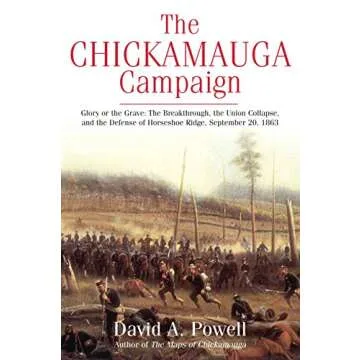
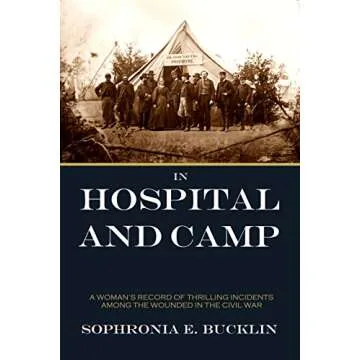
For those interested in learning more about this significant event, consider reading “The Siege of Vicksburg” by William C. Davis and “Grant Takes Command” by Bruce Catton. These books provide in-depth analyses of the events surrounding the campaign, including the essential Battle of Port Gibson.










 Continue with Google