


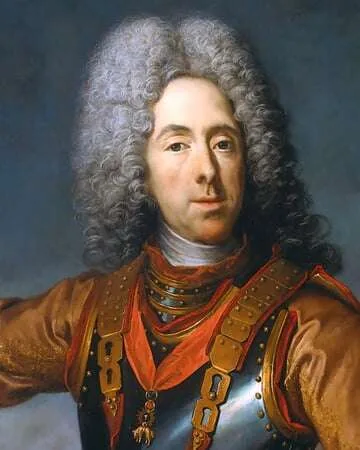
Overview of the Battle of Zenta
The Battle of Zenta, fought on September 11, 1697, marked a significant turning point in European history, particularly for the Kingdom of Hungary and the surrounding regions. This decisive conflict saw the forces of the Holy League, commanded by the brilliant military leader Prince Eugene of Savoy, clash with the Ottoman Empire's army under Sultan Mustafa II. It effectively ended Ottoman dominance in Central Europe and set the stage for the gradual decline of Ottoman power.
The Leaders: Prince Eugene of Savoy and Mustafa II
Prince Eugene of Savoy, born in 1663 in Paris, was a military genius known for his strategic acumen and leadership skills. He played a central role in the Holy League's efforts against the Ottomans. In contrast, Sultan Mustafa II, who rose to power in 1695, led the Ottoman forces with the hope of asserting control over the weakening territories held by the empire.
Prelude to Battle
As the 17th century progressed, the Ottoman Empire faced internal strife and external pressures, leading to the formation of the Holy League in 1684. Comprising various European powers, the League aimed to curb Ottoman expansion into Central Europe. The Battle of Zenta was a culmination of this effort, as rival forces prepared for confrontation on the banks of the Tisza River.
Significance of the Battle
The outcome of the Battle of Zenta had far-reaching implications for Europe. The decisive victory of the Holy League not only reaffirmed Prince Eugene's reputation as a master tactician but also marked the beginning of the end of Ottoman influence in Central and Eastern Europe.
Military Strategies at Zenta
During the battle, Prince Eugene employed innovative tactics that took the Ottoman forces by surprise. Utilizing the terrain and his troops' superior maneuverability, he managed to encircle and decisively defeat the much larger Ottoman army, leading to substantial casualties and a rout.
Aftermath of Zenta
The aftermath of the Battle of Zenta saw the Ottomans retreat from many territories in Hungary and the weakening of their hold in the region. This battle also paved the way for the Treaty of Karlowitz in 1699, which formally ended hostilities and saw significant territorial gains for the Holy League over Ottoman lands.
Fun Fact
Did You Know? Eugene of Savoy’s Legacy
Prince Eugene of Savoy is not just remembered for this battle. He went on to become a prominent statesman and military leader in Europe, involved in several key conflicts throughout his life, and is often regarded as a hero in both Austrian and Hungarian histories.
Additional Resources
Recommended Reading on the Battle of Zenta
For those interested in learning more about the battle and its historical context, consider reading "The Ottoman Empire: A Short History" and "The Rise of the Ottoman Empire". These books provide valuable insights into the dynamics of power in Europe during this tumultuous period.





 Continue with Google