


The Outbreak of the War of 1812
The War of 1812 marked a significant conflict between the United States and Great Britain, instigated on June 18, 1812, when the United States formally declared war on Britain. This war arose from a variety of grievances, including British restrictions on American trade and the forcible impressment of American sailors into the Royal Navy. The war reflected growing national tensions that threatened the young American republic's independence.
President James Madison, a key figure in this conflict, led the nation into war, citing the need to protect American sovereignty and maritime rights. The declaration of war was a momentous step for the United States, influenced by a wave of nationalism and a desire to assert its rights on the international stage.
The Role of James Madison in the War of 1812
As the fourth President of the United States, James Madison played a pivotal role in the early stages of the War of 1812. Madison had previously been a vocal proponent of American rights against British violations. His leadership during the conflict underscored the challenges faced by the United States as it grappled with its position relative to larger world powers.
American Sentiment Leading to War
Public sentiment in the U.S. at the time was deeply affected by the ongoing maritime conflicts with Britain. Many Americans felt humiliated by British actions and called for action. This rising tide of nationalism and the desire for territorial expansion contributed to the increasing clamor for war, propelling the United States into this contentious conflict.
Major Events During the War of 1812
The War of 1812 saw numerous key battles and events that shaped American history. Despite being caught off-guard, the U.S. mobilized forces to counter British naval superiority. Nevertheless, American forces experienced both defeats and victories, with significant battles occurring on land and at sea.
Major Battles of the War of 1812
Significant battles included the Battle of Lake Erie, where American naval forces won a crucial victory, and the Battle of New Orleans, which, although occurring after the Treaty of Ghent was signed, became a symbol of American resilience. These battles showcased the determination of American forces and highlighted the war's role in forging national identity.
The Treaty of Ghent and Its Aftermath
The war officially ended with the Treaty of Ghent, signed in December 1814. Although it did not address the issues that sparked the war, it restored the status quo and paved the way for improved relations between the U.S. and Britain. The conclusion of the war solidified American independence and fostered a period of national growth.
Fun Fact
A Surprising Detail from the War of 1812
One intriguing aspect of the War of 1812 is that the Star-Spangled Banner, America’s national anthem, was inspired by the sight of the U.S. flag flying over Fort McHenry after a fierce battle in 1814.
Additional Resources
Recommended Reading on the War of 1812
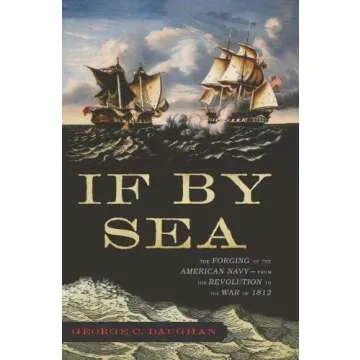
For those interested in delving deeper into the War of 1812, consider reading “1812: The War that Forged a Nation” by Walter R. Borneman or “The War of 1812” by Donald R. Hickey. These books provide insightful perspectives on this pivotal moment in American history.






 Continue with Google