


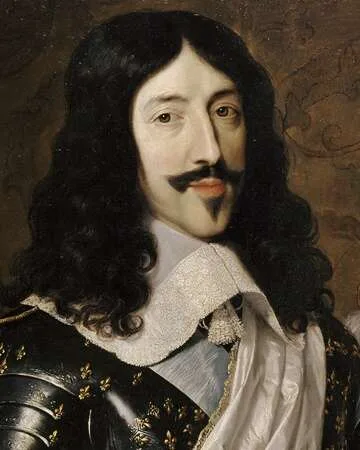
Louis XIII: The Monarch Who Shaped France’s Future
Born on September 27, 1601, in the magnificent Palace of Fontainebleau, Louis XIII ascended to the French throne at the tender age of nine, following the assassination of his father, King Henry IV. His reign, which lasted from 1610 to 1643, witnessed significant political and cultural transformations that played a pivotal role in establishing the central power of the monarchy.
Louis XIII was a child of a tumultuous time, as France was in the midst of internal conflicts, including the religious wars between Catholics and Protestants. Guided by strong advisors, notably Cardinal Richelieu, he began to consolidate his power and suppress the Huguenots, thereby fortifying the authority of the monarchy which profoundly influenced France's history.
Louis XIII’s Early Life and Challenges
As the son of Henry IV and Marie de' Medici, Louis XIII's early years were shadowed by the political struggles that characterized his father's reign. Despite being crowned king, much of his young reign was managed by his mother until he asserted more control as he matured. The challenges he faced, particularly regarding governance and loyalty among nobility, would inform many of his later political strategies.
Richelieu and the Strengthening of the Monarchy
Louis XIII’s reign is notably marked by his collaboration with Cardinal Richelieu, who became his chief minister. Richelieu's fierce ambition to centralize power and diminish the influence of the Huguenots paved the way for a stronger centralized state. Louis XIII's trust in Richelieu helped to effectuate significant political reforms that shaped the future of the French monarchy.
The Cultural Impact of Louis XIII’s Reign
Aside from his political actions, Louis XIII's era also fostered cultural achievements that laid the groundwork for France’s flourishing arts. His reign saw the rise of theatrical works and the establishment of the French Academy, marking a period of enriched cultural expression.
Art and Literature Under Louis XIII
The early 17th century is often noted for its cultural renaissance, which continued under Louis XIII’s rule. Literary figures such as Corneille and Racine began crafting plays that highlighted themes of heroism and human emotion, reshaping French aesthetic culture. The establishment of the French Academy in 1635 played a significant role in preserving the French language and encouraging poetic and artistic expression.
The Legacy of Louis XIII
As he passed away on May 14, 1643, Louis XIII left behind a legacy imbued with the complexities of monarchy and statecraft. His reign set the stage for his son, Louis XIV, who would become one of history's most celebrated monarchs, further consolidating royal power. The decisions Louis XIII made in governance, diplomacy, and culture reverberated through the annals of French history, shaping the nation for generations.
Fun Fact
The Unusual Interests of Louis XIII
Despite being a king, Louis XIII had a keen interest in hunting and was a passionate hunter of the magnificent European stag. His love for the outdoors often influenced his leisure pursuits, showcasing a more human side to the monarch.
Additional Resources
Recommended Reading on Louis XIII
For those interested in a deeper exploration of Louis XIII's life, consider reading "The Man Who Was Louis XIII" by Anna L. Palmer or "Richelieu and Louis XIII" by H.J. Turner, both of which provide insightful perspectives on his reign and challenges faced.







 Continue with Google