


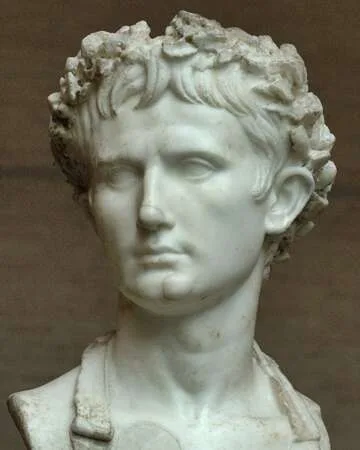
Augustus Caesar: The First Roman Emperor
Born in Rome in 63 BC, Augustus Caesar, originally named Gaius Octavius, was the first Roman Emperor, marking the beginning of a new era of governance in Rome. His reign from 27 BC until his death in 14 AD transformed the Roman Republic into the Roman Empire and set the foundation for future emperors.
Augustus was born to a prominent family and was the great-nephew of Julius Caesar. After Julius Caesar's assassination, Augustus navigated a turbulent political landscape. He formed the Second Triumvirate with Mark Antony and Lepidus, which eventually led to the defeat of their enemies in the civil wars.
Augustus Caesar's Early Life
In his early years, Augustus was educated in Rome and developed a keen interest in military strategy and governance. He was determined to restore order to Rome after years of civil war and conflict. His lineage and intelligence positioned him favorably in the turbulent politics of the time.
Augustus Caesar's Rise to Power
After Julius Caesar was murdered, Augustus quickly seized power. He outmaneuvered his rivals, eventually defeating Mark Antony and Cleopatra at the Battle of Actium in 31 BC. This victory solidified his power and led to his appointment as the first Emperor of Rome in 27 BC, where he took the name ‘Augustus’ meaning ‘the revered one’.
Transforming the Roman Empire
Augustus Caesar’s reign was characterized by profound reforms and a remarkable flourishing of arts and culture known as the Golden Age of Rome. He initiated various reforms to the military, economy, and infrastructure, expanding Rome’s borders and developing a network of roads that symbolized peace and stability.
Augustus Caesar's Reforms
Among his reforms, Augustus established a standing army, instated a police force, and implemented a tax system to streamline governance and enhance revenue. These actions were crucial in consolidating his authority and ensuring stability throughout the Empire.
Augustus Caesar's Legacy
Augustus's legacy is profound; he is often credited with bringing approximately 40 years of peace known as the Pax Romana. His changes in governance laid the groundwork for the future of Rome, influencing the structure of emperorship for generations to come.
Fun Fact
Augustus Caesar’s Retirement
Interestingly, Augustus reluctantly accepted the title of ‘princeps’ or 'first citizen,' opting not to use the term ‘king’ for fear of the negative connotation associated with tyranny, despite being the most powerful figure in Rome.
Additional Resources
Recommended Reading on Augustus Caesar
For those looking to dive deeper into Augustus Caesar’s fascinating life, consider reading 'Augustus: The Life of Rome's First Emperor' by Anthony Everitt and 'The Twelve Caesars' by Suetonius to explore his remarkable impact on history.






 Continue with Google