


The Remarkable Birth of Date Masamune
Date Masamune, a name that resonates deeply within the annals of Japanese history, was born in the year 1567 in Yonezawa, Yamagata, Japan. Renowned as one of the most notable samurai and daimyō, Masamune is often celebrated for his strategic acumen and unwavering resolve, which would define his legacy in the turbulent era of feudal Japan.
His birth year marked the beginning of a life that would be integral in shaping the political landscape of Japan. Not only was he a fierce warrior, but he was also a skilled diplomat and a patron of the arts, which set him apart from his contemporaries. Masamune’s impact was profound, influencing both his samurai peers and the generations that followed.
Date Masamune: The One-Eyed Dragon
Date Masamune, often referred to as the One-Eyed Dragon, lost his right eye to smallpox at a young age. This incident did not deter him; instead, it became a part of his legendary persona. His unique appearance, coupled with his exceptional martial skills, earned him great respect and recognition among both friends and foes alike.
A Warrior with a Vision
Masamune's formidable command in battle was matched only by his intelligent governance. As a daimyō, he played a pivotal role in unifying the Tōhoku region. His vision of a prosperous domain was achieved through technological advancements in agriculture and infrastructure, alongside fostering cultural evolution.
Date Masamune’s Legacy
The life of Date Masamune transcended the battlefield. His legacy extends beyond military conquests; he was instrumental in fostering trade and cultural exchange with the Portuguese and Spanish during the Nanban trade period. His promotion of Christianity and interactions with foreign nations illustrate his forward-thinking mentality that aimed to elevate Japan on the international stage.
Date Masamune: An Innovative Leader
Masamune was a proponent of modernization in warfare and commerce. He understood the significance of adapting to changing times, thus enhancing his domain’s security and economic status through innovation. His support for education and the arts helped cultivate a richly cultural environment in his territories.
Date Masamune: The Patron of Arts
Aside from his military endeavors, Date Masamune was a significant patron of the arts. He was a key supporter of cultural practices such as Noh theater, and his court became a center for artistic expression. This emphasis on art and culture contributed to a distinctive identity for the Date clan in the broader context of Japanese history.
Fun Fact
Date Masamune: The Cultural Icon
Did you know that Date Masamune’s legacy is so enduring that today, he serves as a symbol of the Tōhoku region? His image appears in various media, including anime, video games, and novels, showcasing his influence in contemporary culture.
Additional Resources
Recommended Reading on Date Masamune
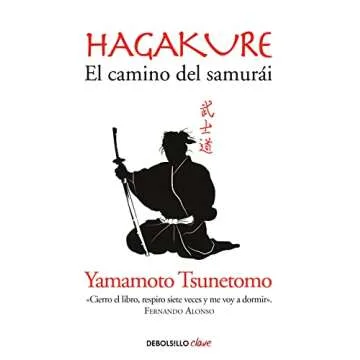
For those looking to dive deeper into the life of Date Masamune, consider reading The Samurai’s Garden by Gail Tsukiyama and Samurai: The Last Warrior by John S. Lawrence. These works provide insight into the samurai culture and historical context surrounding figures like Masamune.










 Continue with Google