


The Launch of a Literary Revolution
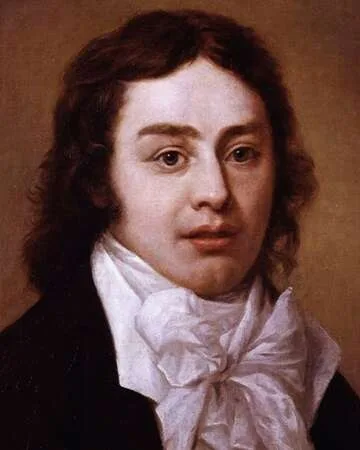
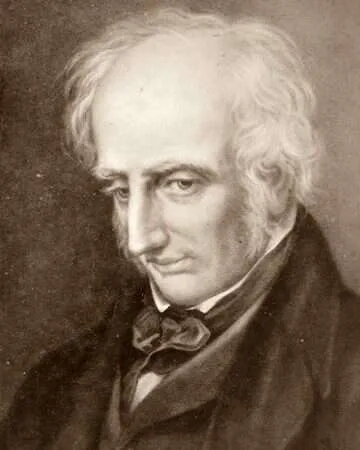
In 1795, the publication of 'Lyrical Ballads' by Samuel Taylor Coleridge and William Wordsworth marked a pivotal moment in English literature, heralding the beginning of the English Romantic movement. This collection of poems was remarkable not just for its content but also for its innovative approach to poetry, breaking away from the strict forms and themes that had dominated the previous era. In this groundbreaking work, Wordsworth and Coleridge sought to bring the beauty of nature and the depth of human emotion into the limelight, using simple language that resonated with the common people.
Coleridge and Wordsworth: The Poetic Partnership
Both Coleridge and Wordsworth were instrumental in shaping the Romantic era. Their collaboration on 'Lyrical Ballads' allowed them to explore themes of nature, emotion, and the supernatural, which were in stark contrast to the rationalism of the Enlightenment. Wordsworth's preface to the second edition further defined their vision, emphasizing poetry as a spontaneous overflow of powerful feelings, thus inviting readers to experience emotions in a raw and beautiful manner.
The Themes of 'Lyrical Ballads'
The poems within 'Lyrical Ballads' reflect a deep appreciation for nature and often portray the lives of rural individuals, giving voice to the marginalized. Notably, Wordsworth’s poem “Lines Composed a Few Miles Above Tintern Abbey” encapsulates the essence of tranquility in nature, while Coleridge’s “The Rime of the Ancient Mariner” introduces a narrative steeped in the supernatural and moral reflection. Together, these themes would influence generations of poets.
The Lasting Impact of the Romantic Movement
The release of 'Lyrical Ballads' did not just signify a shift in poetic style; it also set the stage for the broader Romantic movement that would dominate the 19th century. This collection influenced many writers and thinkers who identified with its principles of individuality, nature, and a deep emotional connection to the world around them. Romanticism remains a significant chapter in the history of literature, emphasizing not only the aesthetic of the written word but also the importance of personal experience.
Continued Relevance of Romanticism
Even today, the themes introduced in 'Lyrical Ballads' resonate in contemporary literature and art. The movement's focus on introspection, nature, and the human experience paved the way for future literary styles and movements, including Modernism and Postmodernism, emphasizing the timelessness of Romantic ideals.
Emotional Depth in Art
The emotional depth explored by Wordsworth and Coleridge in 'Lyrical Ballads' continues to inspire artists across many disciplines. The desire to connect with audiences on a visceral level is a hallmark of creative expression that remains relevant today.
Fun Fact
‘Lyrical Ballads’ and Its Unique Origin
Interestingly, 'Lyrical Ballads' began as a small collection meant for public enjoyment and became a cornerstone of literature that would reshape English poetry forever. Its humble beginnings reflect the underlying belief that poetry should be accessible to all, not just the elite.
Additional Resources
Recommended Reading on 'Lyrical Ballads'
For those interested in delving deeper into this transformative work, consider reading 'The Prelude' by William Wordsworth or 'Biographia Literaria' by Samuel Taylor Coleridge, both of which provide significant insights into their thoughts and the context of the Romantic movement.








 Continue with Google