


The Life and Legacy of Eugénie de Montijo
Eugénie de Montijo, born on May 5, 1826, in the beautiful city of Granada, Spain, was an influential figure in 19th-century Europe, best known for her role as the Empress of France during the Second Empire. As the wife of Emperor Napoleon III, Eugénie's reign spanned from 1853 to 1871, a period marked by cultural advancements and political challenges.
The Early Years of Eugénie de Montijo
Eugénie was born into an aristocratic family in Spain, which deeply influenced her upbringing. Her father's lineage traced back to the line of Spanish nobility, granting her a distinguished status from an early age. Despite her privileged background, her early life was tinged with personal loss, as her family faced hardships during the political upheaval in Spain. These experiences shaped her character and resilience, preparing her for the trials of her future royal life.
Eugénie’s Rise to Power
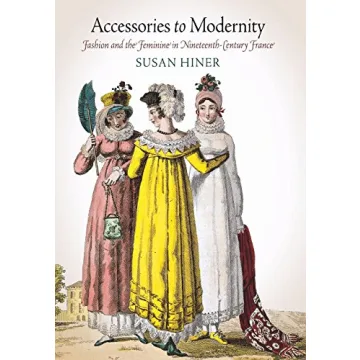
After moving to Paris, she captured the attention of Napoleon III, leading to their marriage in 1853. Eugénie quickly took on the role of Empress, embodying elegance and style that became emblematic of the Second Empire. Her influence extended beyond fashion; she engaged in charitable work and sought to improve the conditions of the poor, thus earning respect from the French populace.
Eugénie de Montijo’s Role as Empress
During her reign, Eugénie was not just a figurehead but also an impactful political player. She played a vital role in influencing her husband’s decisions and was involved in important diplomatic events. The Empress became a patron of the arts, hosting extravagant salons that fostered creativity and innovation.
Eugénie’s Cultural Impact
Her passion for the arts led to a vibrant cultural scene in France, with figures like Manet and Delacroix flourishing under her patronage. The Empress herself was a talented seamstress and took a hands-on approach to her image and that of the court.
The Challenges of Sovereignty
However, Eugénie's reign was not without challenges. The Franco-Prussian War (1870-71) brought about significant strife, leading to the fall of the Second Empire and the beginning of the Third Republic. Despite the difficulties, Eugénie's legacy lived on, shaping the historical narrative of France.
Fun Fact
The Innovative Empress
Did you know that Eugénie was known for her love of new technology? She was fascinated by the advancements of the time, including railway travel, and was one of the first royals to embrace the use of photography to document her public life.
Additional Resources
Recommended Reading on Eugénie de Montijo
If you wish to learn more about this fascinating Empress, consider reading Eugénie: The Empress and Her Empire by Carolyn Voet or The Empress Eugénie and Her France by Richard W. Kauffman, which provide deeper insights into her life and times.







 Continue with Google