


Mary Moser: A Flourishing Talent in Floral Art
The Early Years of Mary Moser
Born in London in 1744, Mary Moser emerged as a notable figure in the world of English painting. Her passion for artistry was evident from a young age, and she dedicated her life to the creation of expressive floral still lifes. Moser's works were not merely representations of flowers, but intricately crafted pieces that hinted at her profound connection with nature.
The Path of an Accomplished Painter
As she honed her skills, Mary Moser gained prominence and recognition within the art community. Throughout her life, she would go on to create remarkable pieces that captured the delicate beauty of flowers. Her commitment to the genre of floral still life was significant for the art scene in 18th-century England, showcasing the importance of botanical subjects in fine art.
A Legacy of Botanical Beauty
Mary Moser’s Contribution to Still Life
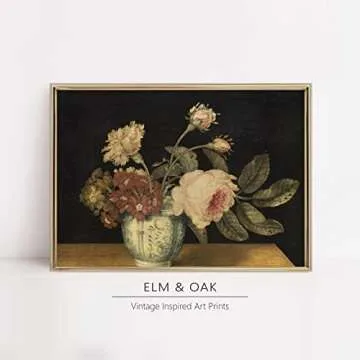
Mary Moser was known for her detailed and vibrant representations of flowers. Many of her still life paintings included an array of blooms, from roses to tulips, expertly arranged to create harmonious compositions. Her work stands out for its rich colors and meticulous attention to detail, which brought the beauty of flora to life on canvas.
A Recognition in Art Society
In recognition of her talent, Mary Moser was one of the first female members of the Royal Academy. This accomplishment was exceptionally rare for women at the time and marked a significant milestone in her career. Through her membership and contributions, she paved the way for future generations of women artists in England.
Fun Fact
Mary Moser’s Interesting Fact
As a testament to her ongoing influence, Mary Moser’s works have been featured in numerous exhibitions, allowing contemporary audiences to appreciate her artistic genius. Her paintings continue to inspire floral artists and enthusiasts alike.
Additional Resources
Recommended Reading on Mary Moser
For those eager to dive deeper into Mary Moser's life and work, consider exploring "Women Artists of the 18th Century" and "Botanical Art: A History". These resources detail not only Moser's contributions but also provide insight into the world of women artists during her era.





 Continue with Google