


The Dawn of the Metropolitan Police
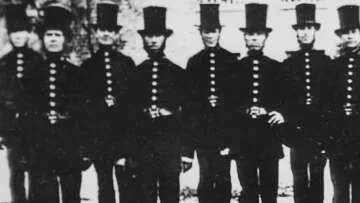
On September 29, 1829, the first officers of the London Metropolitan Police, fondly known as the ‘Bobbies’, took their place on the bustling streets of London. This marked a pivotal moment in history as it signified the establishment of the first organized police force in the world. Prior to this, policing was largely informal, primarily reliant on parish constables and watchmen who had little training and even less authority. The creation of the Metropolitan Police aimed to not only ensure safety but also to maintain order in a swiftly urbanizing city.
This revolutionary move came about under the leadership of then-Home Secretary Sir Robert Peel, whose vision was to create a professional force that operated on the principles of prevention and community partnership. Sir Peel believed that a well-trained police service was essential for the governance of a society that was expanding in both size and complexity.
The Role of the Bobbies
The early Bobbies were not just enforcers of the law; they were community figures designed to foster public trust and cooperation. Unlike their predecessors, who were often viewed with suspicion, the new police constables wore a smart uniform that included a distinctive top hat and a dark blue coat, fostering a sense of professionalism. Their primary duty was to prevent crime, which they strived to achieve through visibility and presence in neighborhoods.
Impact on Society
The introduction of the Bobbies led to an overall decline in crime rates in London over time. As the officers patrolled the streets openly, they maintained a level of order that was previously unattainable. The presence of the police not only deterred criminal activity but also instilled a sense of security among the citizens. Furthermore, the structure and rules established during this time set a precedent for law enforcement organizations around the globe.
Challenges Faced by the New Police Force
Despite its promising start, the Metropolitan Police faced various challenges in its early days. The drastic change from disorganized to organized policing met with skepticism from both the public and many government officials. Members of the community sometimes viewed the Bobbies as intrusions into their lives rather than protectors. Additionally, early officers were often involved in more conflicts and had to navigate a society steeped in class distinctions and political unrest.
The Bobbies at Work
Officers maintained a visible presence on the streets, often walking their beat and engaging with the public. They were challenged with not just enforcement of petty offenses but also had to become part-time social workers, agents of change, and maintainers of public moral standards. Their duties revolutionized community policing and created a foundation for modern policing practices.
Public Perception of the Bobbies
As time progressed, public perception of the Metropolitan Police began to shift. Through community engagement and consistent law enforcement, the Bobbies started to earn the respect and trust of the citizens of London. This ultimately transformed the way police forces operate today, focusing on community partnership and preventative measures to enhance public safety.
Fun Fact
The Origin of the Term "Bobbies"
The affectionate term "Bobbies" comes from the name of Sir Robert Peel, the founder of the Metropolitan Police. The association of his name with the police force has had lasting cultural significance, making it a fond and enduring term.
Additional Resources
Recommended Reading on Sir Robert Peel and the Metropolitan Police
For those interested in delving deeper into this significant historical development, consider reading "The Birth of Modern Policing: The London Metropolitan Police 1829-2000" and "Sir Robert Peel: The Architect of Modern Policing". These resources explore the implications and legacy of Peel's revolutionary vision in greater detail.











 Continue with Google