


Exploring the Birth of Robinson Crusoe
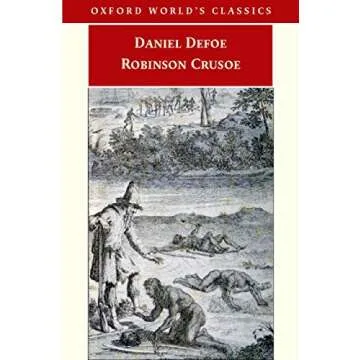
In 1719, the world was introduced to one of literature's most enduring heroes: Robinson Crusoe. Born in the year 1627 within the pages of Daniel Defoe's iconic novel, Crusoe's story has been captivating readers for centuries. This seminal character epitomizes the spirit of adventure, survival, and resilience. The narrative details his life after being shipwrecked on a deserted island, where he lives for 28 years, facing challenges that test his ingenuity and will to survive.
Crusoe’s journey begins when he ventures out to sea, defying his family's wishes. His ensuing shipwreck and subsequent experiences on the island symbolize not just personal struggle but also broader themes of isolation and self-discovery. The novel, drawing from various influences and real-life exploits, reflects the values and challenges of the 18th century, particularly regarding colonialism and human endurance.
Robinson Crusoe's Life and Adventures
After his shipwreck, Crusoe finds himself in a world devoid of human contact. Using his resourcefulness, he manages to survive, building a shelter, growing food, and eventually rescuing a native man he names Friday. This relationship becomes a pivotal element of the story, raising questions about civilization, culture, and companionship. Crusoe’s ability to adapt to his environment and thrive against the odds remains an inspiring saga of the human spirit.
The Legacy of Robinson Crusoe
Robinson Crusoe not only tells a compelling story but also sets the stage for the development of the novel as a genre. Defoe's creation has inspired countless adaptations, including films, television series, and even reality shows. Crusoe’s adventures have solidified his status as a symbol of self-reliance and exploration, resonating with audiences and influencing literature for generations.
Understanding the Impact of Robinson Crusoe
The character of Robinson Crusoe has transcended time and culture, serving as an archetype in various narratives that explore themes of survival and human resilience.
Robinson Crusoe's Influence on Literature
Defoe’s work has had a profound influence on literature and the portrayal of adventure tales. Robinson Crusoe is often cited as one of the first novels in the English language, paving the way for future authors. The character’s adventures reflect the complexities of human nature and societal structures, prompting readers to consider their relationship with the world.
The Role of Adventure in Robinson Crusoe's Story
Adventure is intrinsic to the essence of Robinson Crusoe. It symbolizes the thrill of exploration and the quest for knowledge. Readers are drawn into Crusoe's isolation and the ultimate quest for freedom and self-sufficiency, which resonates deeply, encouraging exploration within their own lives.
Fun Fact
Robinson Crusoe's Interesting Fact
Did you know that while Robinson Crusoe is a fictional character, his story is believed to have been inspired by real-life castaway Alexander Selkirk, who spent four years alone on an uninhabited island in the South Pacific?
Additional Resources
Recommended Reading on Robinson Crusoe
For those interested in diving deeper into the life and adventures of Robinson Crusoe, consider reading The Life and Adventures of Robinson Crusoe by Daniel Defoe and exploring critical analyses such as Robinson Crusoe: The Novels and Their Modern Adaptations for broader contexts.









 Continue with Google