


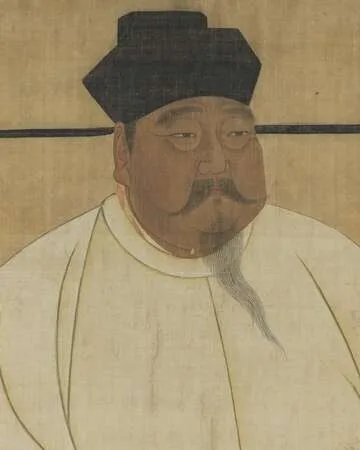
Introducing Taizu: The Unifier of China
Born in Luoyang, Henan, China, Taizu, who is also known as Zhao Kuangyin, would go on to become one of the most significant figures in Chinese history. His reign lasted from 960 to 976 AD, marking the establishment of the Song Dynasty, which is well-remembered for its cultural and technological advancements as well as its governance. Taizu, a military general, seized the throne amidst political turmoil and successfully reunified most of China by conquering neighboring states like Southern Tang, Later Shu, Southern Han, and Jingnan, laying the foundation for stability.
Taizu: The Humble Beginnings
Taizu was born in 927 AD, during the chaotic Five Dynasties and Ten Kingdoms period. His early life was that of a soldier, where he demonstrated exceptional leadership qualities. His humble beginnings shaped his personality, leading him to be a ruler who prioritized stability, agriculture, and economic growth. After ascending the throne, he adopted the era name "Taizu" and started to implement policies that strengthened the military and bureaucracy.
The Rise to Power of Taizu
The rise of Taizu to power is a remarkable story of strategic brilliance and sheer will. Following a successful military coup, he declared himself emperor and quickly capitalized on the fragmented landscape of the time to reunite China. His victories in the battlefield against the Southern Tang and others not only expanded Song territories but also established a sense of national identity that had been lacking.
Taizu’s Legacy and Impact
Though Taizu ruled for a relatively short period, his impact on the future of China was profound. He not only reunified the nation but also laid down the governance systems that would influence future dynasties. His establishment of a meritocratic bureaucracy proved to be a lasting legacy, assuring that officials were chosen based on talent rather than nobility.
Taizu's Policies and Governance
One of the critical aspects of Taizu's rule was his focus on agrarian reform and taxation policies that uplifted the common people. By reducing the tax burden on peasants and promoting agricultural productivity, he garnered popular support that was crucial for the stability of his newly formed dynasty. This focus on economic prosperity paved the way for the cultural flourishing in later Song times.
The Consolidation of Power by Taizu
Taizu understood the necessity of consolidating power to prevent future fragmentation. Through careful appointments and eliminating threats within his ranks, he successfully navigated the political landscape of the time. This strategic governance ensured an atmosphere where arts and sciences could flourish, setting the stage for the remarkable achievements of the Song Dynasty.
Fun Fact
A Fun Fact About Taizu
One interesting fact about Taizu is that he famously forbade the use of the military for personal gain, which was a principle he considered vital for maintaining the integrity of his newly formed government. His love for simplicity and frugality set a tone for future emperors.
Additional Resources
Recommended Reading on Taizu
For those interested in learning more about Taizu and the Song Dynasty, consider reading "The Song Dynasty: A New History" or "China's Golden Age: Everyday Life in the Tang and Song Dynasties". These works provide detailed insights into the cultural and political contexts of the time.







 Continue with Google