


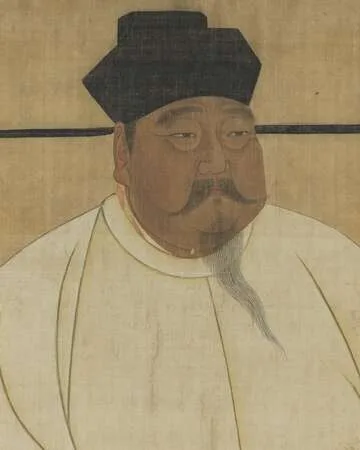
The Dawn of the Song Dynasty
The Song Dynasty, lasting from 960 to 1279, marked a pivotal era in Chinese history, characterized by rapid advancements in technology, culture, and economy. The dynasty was initiated by the remarkable coronation of Zhao Kuangyin, who ascended to the throne as Emperor Taizu of the Song on April 20, 960. This event not only transformed Zhao's life but also set the stage for three centuries of significant influence in southern China, ushering in a new age of prosperity and cultural flourishing.
Emperor Taizu's Rise to Power
Zhao Kuangyin, born in 927 in Kaifeng, played a crucial role in unifying China after the chaotic Five Dynasties and Ten Kingdoms period. His rise began as a military general in the Later Zhou Dynasty. In a bold move, following a coup that led to the abdication of the last Zhou emperor, Zhao took control and established the Song Dynasty, marking a crucial shift in governance away from the military despotism that characterized his predecessors.
The Significance of the Coronation
The coronation of Emperor Taizu not only symbolized the establishment of a new dynasty but also represented a commitment to promoting Confucian ideals over military power. By placing civil administration over military rule, Taizu laid the foundation for a more stable and enlightened government that would promote intellectual pursuits and economic strength, which would characterize the Song Dynasty era.
Cultural and Economic Achievements Under the Song Dynasty
The Song Dynasty is renowned for its cultural achievements and innovations that influenced subsequent generations. The period saw the flourishing of arts and technology, significantly impacting literature, painting, and philosophy, as well as advancements like the invention of gunpowder and the printing press.
Technological Innovations in the Song Dynasty
During Emperor Taizu's reign and beyond, the Song Dynasty witnessed numerous technological advancements. Innovations such as the compass and advancements in engineering and agricultural tools dramatically transformed the agrarian landscape, enhancing productivity and trade across the region.
Cultural Flourishing Under Taizu's Influence
Under Emperor Taizu and his successors, culture blossomed, with literature and the arts reaching new heights. Poets like Su Shi and scholars advocating Confucianism contributed significantly to the rich intellectual landscape of the time, making the Song's cultural impact enduring to this day.
Fun Fact
Emperor Taizu's Unique Legacy
Emperor Taizu is renowned not only for founding the Song Dynasty but also for his revolutionary shift from a military-centric governance to one that valued civil administration, which became a model for future dynasties in China.
Additional Resources
Recommended Reading on Emperor Taizu and the Song Dynasty
To dive deeper into the history of the Song Dynasty and learn more about Emperor Taizu, consider books like The Song Dynasty: 960-1279 AD and China's Song Dynasty: A Cultural History.






 Continue with Google