


The Introduction of the CQD Signal in 1904
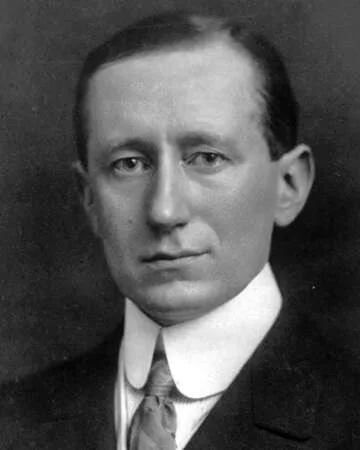
In 1904, the Marconi Company made a significant advancement in maritime communication by establishing the first international radio distress signal, known as "CQD". This innovative signal was designed to alert ships and stations that a vessel was in distress, effectively enhancing safety on the seas where radio communications were becoming increasingly vital. The term "CQ" can be interpreted as calling all stations, while the "D" stands for distress. It was a crucial step in ensuring that help could be summoned more effectively in emergencies.
CQD: The Meaning Behind the Signal
The abbreviation "CQD" stands for "Seeking You. Distress!". The inception of the signal was a groundbreaking development for the maritime industry, which had previously relied heavily on visual cues and sound signals for communication at sea. The Marconi Company recognized the potential of radio waves to transmit messages over vast distances, and thus introduced this signal. This was particularly important because, prior to CQD, there were no standardized distress signals, which often led to confusion during emergencies.
The Impact of CQD on Maritime Safety
The introduction of CQD marked a turning point in maritime safety protocols. Although it was initially embraced by marine broadcasters, it did not achieve universal adoption. The need for clear and effective communication in distress situations was increasingly recognized, prompting the maritime community to explore better alternatives. This initiative cultivated an awareness that would later contribute to the creation of a standardized distress signal.
The Shift to SOS: A More Universal Signal
Despite the development of CQD, it was not long before the use of this signal started to diminish. Several years later, in 1906, the International Radiotelegraphic Convention adopted the SOS signal as the new standard for distress calls. This was largely due to its simplicity and ease of transmission. SOS, which could be easily recognized and transmitted in Morse code, became the preferred distress signal worldwide.
CQD vs. SOS: Why the Change?
The transition from CQD to SOS was driven by the practical needs of mariners and the desire for a universally recognized signal. Although CQD provided a vital service during its time, SOS proved to be more effective, as it was simple to remember, communicate, and decode under stressful conditions. This switch highlighted the importance of standardization in protocols that could potentially save lives.
Legacy of the CQD Signal
Although the CQD signal is not widely used today, its legacy lives on as a precursor to modern distress signals. The evolution of maritime distress communications also paved the way for advancements in technology, ensuring better safety measures are put in place to protect those at sea.
Fun Fact
CQD's Connection to Titanic
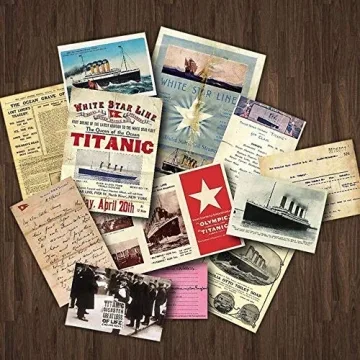
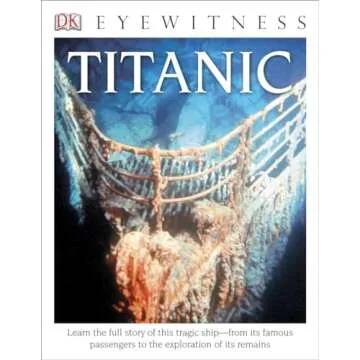
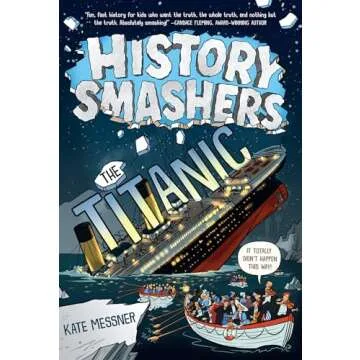
Interestingly, the CQD signal was famously used during the Titanic disaster in 1912. Just before the ship sank, the radio operator sent out CQD distress signals, calling for help, showcasing the importance of effective communication in saving lives.
Additional Resources
Recommended Reading on Maritime Communication
If you're interested in learning more about maritime communication and its development over the years, consider reading The Radio Boys on the Mexican Border by George D. Sargent, or The Wireless Experiments at the Cape of Good Hope by Graham F. Girdler. These works explore the historical context and the technological advances that shaped our understanding of radio communication.






 Continue with Google