


Establishing a New Government
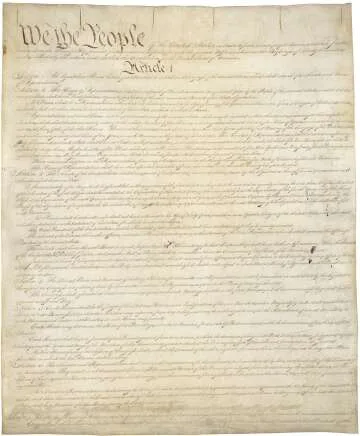
The year 1789 marked a monumental turn in American history as the first Congress of the United States convened, cementing the foundation of the nation’s governance. On March 4th, this inaugural session brought together just **9 Senators** and **13 Representatives**, tasked with the immense responsibility of putting the newly ratified U.S. Constitution into effect. The Constitution, drafted in 1787 and ratified in 1788, replaced the failed Articles of Confederation, as it sought to unify the states under a stronger federal government.
This gathering in New York City was not merely ceremonial; it signaled the launch of a new era in which the principles of democracy and federalism would shape the country. From regulating commerce to raising an army, this first Congress was essential in laying down the legislative groundwork for a responsive government.
The First U.S. Congress' Responsibilities
The responsibilities of the First Congress were vast, including crafting essential legislation that would guide the nation. Among the early tasks was the establishment of the executive departments and the creation of a federal judiciary. The Congress also mentioned the importance of addressing the Bill of Rights, which eventually assured individual freedoms and rights and reflected the people's desire for protection from governmental overreach.
Key Figures in the First Congress
Prominent leaders played pivotal roles in the success of the First Congress. Figures like George Washington, who was unanimously elected as the first President, and leaders such as James Madison and Alexander Hamilton, had significant influence over legislative developments. Their vision and determination were instrumental in navigating the early challenges that the new nation faced.
Paving the Way for Future Governance
The actions of the 1st Congress echoed across history, setting precedents that would shape the nation’s trajectory. With the Constitution officially declared in effect, a framework was established that balanced power among the government branches, ensuring neither tyranny nor anarchy could dominate.
Legacy of the Constitution Declaration
This declaration of the Constitution’s effectiveness laid the groundwork for civil rights, the rule of law, and democratic governance in the United States. Subsequent Congresses would continue to build upon this foundation, tackling the challenges of a growing nation.
The Role of States in the New Constitution
Each state, while retaining certain powers, became part of a collective unit that operated under the authority of the federal government. This was a significant shift from the Articles of Confederation, where states held most of the power, leading to weaknesses in governance.
Fun Fact
The First Official Bill
One of the earliest bills passed was the Judiciary Act of 1789, which created the federal judiciary system, including the Supreme Court. This act set in motion the judicial framework that still operates today.
Additional Resources
Recommended Reading on the U.S. Constitution
For those interested in further exploring this pivotal event, consider reading The Federalist Papers by Alexander Hamilton, James Madison, and John Jay, which provide insight into the framers’ intentions. Additionally, Plain, Honest Men: The Making of the American Constitution by Richard Beeman offers a compelling narrative of the Constitution’s creation and ratification process.










 Continue with Google