


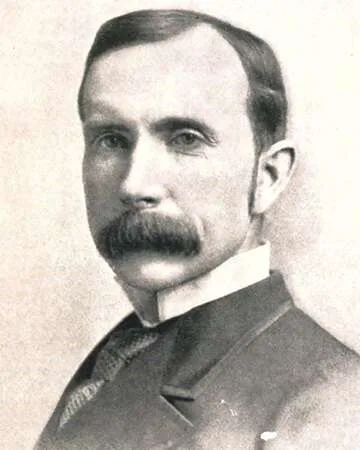
The Rise of John D. Rockefeller
In 1916, the world witnessed the emergence of its very first billionaire, the American oil tycoon John D. Rockefeller. His monumental achievement marked a remarkable milestone in business history and set the stage for unprecedented wealth accumulation in the modern era. Rockefeller was not just a businessman; he was a visionary who transformed the oil industry and established innovative practices that shaped its future.
John D. Rockefeller's Early Life
Born on July 8, 1839, in Richford, New York, Rockefeller had humble beginnings. His father, a traveling salesman, and his mother, a homemaker, instilled in him a sense of diligence and frugality. At a young age, he demonstrated a knack for business, earning his first paycheck by working as a clerk in a local commission house at the age of 16. This early exposure to commerce laid the foundation for his monumental future.
The Birth of Standard Oil
In 1870, Rockefeller, along with partners, founded the Standard Oil Company, which soon grew to dominate the oil industry in the United States. Through innovative strategies such as horizontal integration and cost-cutting, he significantly lowered the price of oil, making it accessible to the masses. By the end of the 19th century, Standard Oil controlled over 90% of the United States' oil refineries, establishing Rockefeller as a powerful figure in the business world.
Rockefeller's Billion-Dollar Fortune
By 1916, not only had Rockefeller become a household name, but he also achieved a financial feat that was previously unimaginable—amassing a fortune of over $1 billion, which was roughly equivalent to about 2% of the entire U.S. economy at the time. His wealth was derived not only from his share in Standard Oil but also from various other investments across industries.
Impact on American Economy
Rockefeller's wealth significantly influenced the American economy, leading to debates on economic policy and antitrust legislation. His company’s monopolistic practices eventually attracted scrutiny from the federal government, leading to the breakup of Standard Oil in 1911. Despite the controversies, Rockefeller's legacy in creating an efficient and expansive oil industry is undeniable.
Philanthropic Ventures of Rockefeller
In his later years, Rockefeller turned his attention to philanthropy, establishing several foundations, including the Rockefeller Foundation in 1913. He donated over $500 million to causes including education, public health, and arts, promoting progress in many fields. His giving spree laid the groundwork for modern philanthropic practices, inspiring billionaires today.
Fun Fact
Did You Know About John D. Rockefeller?
Despite his immense wealth, John D. Rockefeller was known for his frugal lifestyle. He famously stated, "I always tried to turn every disaster into an opportunity," embodying the mindset that drove his successful career in the oil industry.
Additional Resources
Recommended Reading on John D. Rockefeller
For those interested in exploring more about this fascinating figure, consider reading 'Titan: The Life of John D. Rockefeller, Sr.' by Ron Chernow, which provides an in-depth look at his life and lasting influence.












 Continue with Google