


The Formation of Vancouver
On April 6, 1886, the city of Vancouver was officially incorporated, marking a significant milestone in the development of British Columbia’s bustling coastal metropolis. Originally established as a small sawmill community, Vancouver quickly transformed into a vibrant city fueled by its strategic location and natural resources. The incorporation was the result of a growing population and the demand for organized governance, as residents sought to create a more structured urban environment.
The Early Days of Vancouver
The early days of Vancouver were characterized by its humble beginnings as Granville, a small settlement that thrived primarily on forestry. Once the Canadian Pacific Railway reached the area in 1885, the city saw an influx of settlers, businesses, and investors. This rapid growth made it clear that a proper city government was needed to oversee infrastructure, services, and the community planning. Following its incorporation, Vancouver's government initiated numerous projects to enhance urban development.
Key Figures in Vancouver’s Incorporation
One of the notable figures during this transitional period was David Oppenheimer, who became the first mayor of Vancouver. His leadership was pivotal in establishing the city’s infrastructure. Oppenheimer focused on improving public utilities, expanding transportation routes, and promoting economic development, which helped shape Vancouver into a bustling urban center.
Vancouver’s Growth and Development
The incorporation of Vancouver set the stage for significant growth and transformation. By the late 19th century and into the early 20th century, the city became a key gateway for trade and immigration, contributing to its multicultural and diverse population.
Economy and Trade
The Role of Port Activity
The port of Vancouver played a critical role in the city’s economy post-incorporation. Serving as a major trade hub, the port facilitated the export of resources such as timber, fish, and minerals. This economic activity helped to create jobs and attract even more settlers seeking opportunities in the burgeoning city.
Cultural Development
A Melting Pot of Communities
Over the years, Vancouver’s incorporation opened the door to a variety of cultures, each contributing to the city’s rich tapestry. Immigrants from Europe, Asia, and beyond arrived, bringing their customs and traditions. This diversity fostered a vibrant arts scene, culinary influences, and a unique community spirit that residents celebrate to this day.
Fun Fact
Vancouver’s Unique Name
Did you know that the city of Vancouver is named after Captain George Vancouver, a British explorer who sailed the waters of the Pacific Northwest in the late 18th century? His expeditions contributed significantly to the mapping of this region.
Additional Resources
Recommended Reading on Vancouver’s History
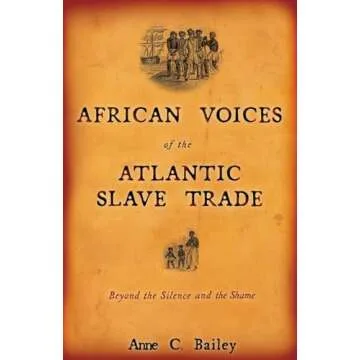
To dive deeper into the rich history of this magnificent city, consider reading "The History of Vancouver" by John Atkinson and "Vancouver: A History" by David E. Smith. These insightful texts offer further details on the events surrounding its incorporation and its evolution over the decades.





 Continue with Google