


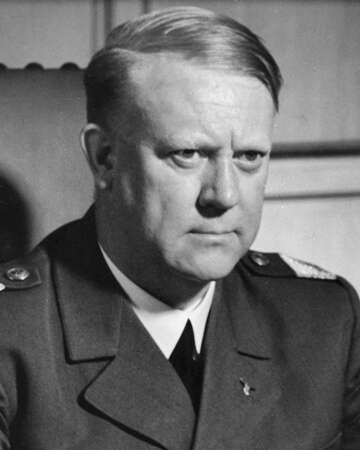
Birth of Vidkun Quisling
Born on July 18, 1887, in the quiet village of Fyresdal, Norway, Vidkun Quisling would grow to become one of the most infamous figures in Norwegian and World War II history. Initially, Quisling had a promising career as a soldier and politician, but his legacy is marred by his collaboration with Nazi Germany, leading to his name becoming synonymous with treachery and betrayal.
Quisling's early life saw him excelling academically, culminating in his study at the Norwegian Military Academy. He later served in various military roles, exhibiting a fascination with politics and governance. However, it was his allegiance to the Nazis during their occupation of Norway that would irrevocably alter his trajectory and taint the perception of his life and career.
Vidkun Quisling's Early Career
Before joining forces with the Nazis, Quisling served as the Norwegian Minister of Defense and displayed a strong military and political acumen. His early experiences shaped his worldview, promoting a vision for Norway that aligned increasingly with fascist ideologies. This set the stage for his later betrayal of his own country during a vulnerable period.
The Rise to Infamy
As a politician, Vidkun Quisling established the National Unity Party, which espoused pro-German and fascist views. His most notorious act was declaring himself Prime Minister after the German invasion of Norway in 1940, thus solidifying his role as a collaborator with the occupiers.
The Downfall of Vidkun Quisling
The end of World War II marked a significant downfall for Quisling. As the Allies triumphed, Norway saw a resurgence in patriotism and national unity, leading to Quisling's arrest for high treason. His earlier promises of loyalty to Norway shattered as the populace grappled with the implications of his actions.
Quisling's Execution
In 1945, after a quick trial that found him guilty of treason, Quisling was executed by firing squad. His death was not just the end of his life; it became an essential chapter in Norway’s effort to cleanse the nation of the scars left by war and collaboration.
Legacy of Infamy
Today, the name Vidkun Quisling is often invoked as a term for traitors, encapsulating the public's enduring disdain for his actions. His legacy is a stark reminder of the complex dynamics of war, betrayal, and the struggle for national identity.
Fun Fact
Vidkun Quisling's Interesting Fact
Interestingly, Quisling was a staunch advocate for fascism, even describing himself as Norway's "savior" during the war, believing that his actions would ultimately benefit the nation. This deluded sense of grandeur sharply contrasts with the collective memory of his betrayal.
Additional Resources
Recommended Reading on Vidkun Quisling
For those wishing to understand more about Quisling and his impact on Norwegian history, consider reading "Quisling: A Study in Treachery" by Håkon B. Høvik or "The Traitor: The Whistleblower and the Espionage Trials" by Simon H. Heller to gain deeper insights.







 Continue with Google