


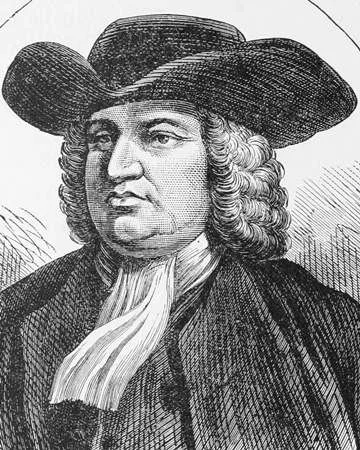
Understanding William Penn: The Man Behind Pennsylvania
William Penn's Early Life
Born in London in 1644, William Penn was raised in a well-to-do family, as the son of an admiral in the English navy. However, it was his interest in philosophy and religion that defined his early years. Penn was educated at Christ Church, Oxford University, where he began to explore different religious beliefs, ultimately embracing Quakerism.
The Quaker Influence on William Penn
Becoming a Quaker was a significant turning point for William Penn. This commitment shaped his views on religious tolerance, governance, and the treatment of indigenous people. His work was pivotal in advocating for the rights of Quakers and promoting a peaceful societal structure away from the oppressive practices of the Church of England.
William Penn's Legacy as the Founder of Pennsylvania
Establishing Pennsylvania
In 1681, Penn received a land grant from King Charles II, which he envisioned as a place of religious freedom. He founded Pennsylvania with the idea of creating a society based on tolerance and equality. His famous phrase “No Cross, No Crown” encapsulated his dedication to principles that supported personal liberty and communal well-being.
The Frame of Government
Penn drafted the Frame of Government of Pennsylvania, which emphasized civil liberties and established a representative assembly. This document became a model for democratic governance and influenced later constitutional principles in the United States.
Fun Fact
William Penn's Connection to Tolerance
A noteworthy point about William Penn is that he was one of the first figures to promote the concept of religious freedom in America. His city of Philadelphia became a melting pot for diverse groups seeking refuge from persecution.
Additional Resources
Recommended Reading on William Penn
For those intrigued by Penn's life, consider exploring The Life of William Penn by Charity M. Williams, which delves deeper into his philosophies and political contributions.










 Continue with Google