


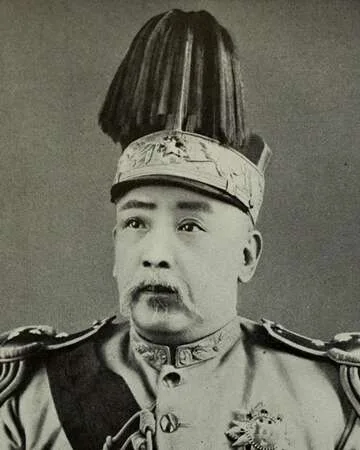
The Early Life of Yuan Shikai
Born on September 16, 1859, in Xiangcheng, Henan, Yuan Shikai emerged from humble beginnings during the dying days of the Qing dynasty. His early education in Confucian classics laid the groundwork for a career that would intertwine with the fate of modern China.
Yuan Shikai's Rise Through the Ranks
Yuan’s ambition drove him towards a military career, leading to his first significant role as a general in the late 19th century. He played vital parts in suppressing uprisings and combating foreign influence, earning respect and recognition within the Qing military hierarchy. His leadership abilities and strategic acumen made him a key player during a period marked by internal strife and external threats.
The Political Landscape During Yuan's Time
During Yuan Shikai's early career, China was in turmoil. The Qing dynasty faced numerous challenges, including the Taiping Rebellion and the Boxer Rebellion. Yuan’s military prowess allowed him to navigate these turbulent waters effectively, garnering the support of both military leaders and political reformers who sought a new path for China.
Becoming President of the Republic of China
After the collapse of the Qing dynasty in 1911, Yuan Shikai played a crucial role in the establishment of the Republic of China. His ambition culminated when he became the President in 1912, a position he sought to consolidate power over a fractured nation. His leadership marked a shift in governance that aimed to modernize China, albeit surrounded by controversy.
The Controversy of Yuan's Presidency
Yuan's presidency was not without its challenges. Growing tensions with provincial leaders and his desire to become emperor in 1915 led to widespread opposition. This bold move backfired, resulting in rebellion across the nation, forcing him to step down as emperor in March 1916.
Legacy of Yuan Shikai
Yuan Shikai’s brief presidency ended with his death on June 6, 1916. His legacy remains complex; he is viewed as both a modernizer and a controversial figure whose actions contributed to the instability that engulfed China in the years following his death. His life symbolizes the transitional struggles faced by a nation in search of identity and governance.
Fun Fact
Yuan Shikai's Influence on Modern Chinese Politics
Interestingly, Yuan Shikai was the first president of China, and his attempts to adopt a presidential system significantly impacted the structure of the Chinese government that followed.
Additional Resources
Recommended Reading on Yuan Shikai
For those interested in exploring more about Yuan Shikai's life and impact on China, consider reading "Yuan Shikai: The Life and Times of a Chinese Leader" and "The Fall of the Qing Dynasty: Yuan Shikai's Role". These works delve deeper into his contributions and the era's complexities.







 Continue with Google