


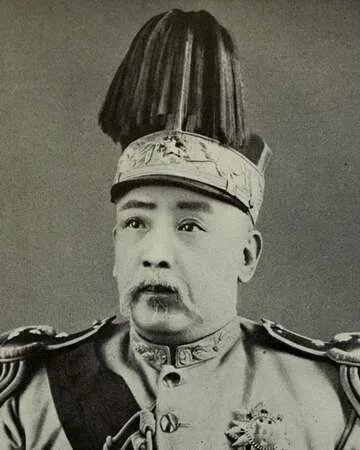
Yuan Shikai: A Turning Point in Chinese History
Yuan Shikai's Rise to Power
In 1913, **Yuan Shikai** became the first President of the Republic of China, a pivotal moment that marked the dawn of a new political era after the fall of the Qing Dynasty. Previously a military leader and an influential figure during the late Qing period, Yuan's ascension is a testament to his political acumen and military prowess.
Challenges Faced by Yuan Shikai
Upon taking office, **Yuan Shikai** faced numerous challenges, including political fragmentation and regional dissent. The country was still grappling with the immense aftermath of the 1911 Revolution, and Yuan had to maneuver through these turbulent waters to unify the nation under his leadership.
A Controversial Tenure
Consolidation of Power
Yuan's presidency was characterized by his efforts to consolidate power, which included the controversial decision to dissolve the National Assembly and appoint a new parliament aligned with his vision. This move provoked backlash and eventually led to conflicts with regional warlords, challenging his authority.
Your Shikai's Imperial Ambitions
In a bid to enhance his power, **Yuan Shikai** attempted to declare himself Emperor in 1915, a decision met with intense opposition from both political factions and the general populace. This ambitious move not only alienated him but also instigated a new wave of revolution, ultimately leading to his downfall.
Fun Fact
Yuan Shikai's Iconic Mustache
One interesting fact about **Yuan Shikai** is that he became a memorable figure not just for his political actions but also for his iconic large mustache, which became a symbolic part of his image in the early 20th century.
Additional Resources
Recommended Reading on Yuan Shikai
For those interested in learning more about **Yuan Shikai** and his impact on Chinese history, consider reading "The Rise of Modern China" by Immanuel C. Y. Hsu and "Yuan Shikai: China’s Last Emperor" by Huang Yushi. These texts provide a deeper exploration of his life, leadership, and the historical context of his presidency.



 Continue with Google