


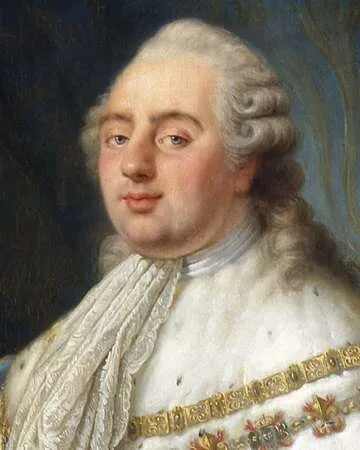
Breaking New Ground: Louis XVI's Edict in 1789
In a pivotal moment in French history, on January 24, 1789, King Louis XVI of France issued an edict calling for the convocation of the Estates-General. This assembly, which represented the three estates of French society—the clergy, the nobility, and the common people—had not been called since 1614. The country was on the brink of financial catastrophe, and mounting social tensions made it clear that reform was necessary. Louis XVI's decision to reconvene this assembly was largely seen as an attempt to address the dire financial crisis and to involve the broader population in discussions that had previously been largely dominated by the nobility and clergy.
The Context Behind Louis XVI's Decision
By the late 18th century, France faced significant problems including national debt and widespread discontent among the populace. The Enlightenment had fostered new ideas about governance and the rights of individuals, particularly among the common people, known as the Third Estate. This edict represented a major shift in how the monarchy viewed its relationship with the people and was an acknowledgment that the old ways would no longer suffice.
Reactions to the Edict
The reaction to Louis XVI's edict was mixed. The Estates-General was generally seen as a last resort for solving the nation’s financial woes, but many members of the Third Estate viewed it as a chance to voice their grievances. Anticipation grew as discussions began, leading the people to hope that real change might occur, inspired by revolutionary rhetoric.
The Impact of the Estates-General's Assembly
The convening of the Estates-General was a watershed moment that would ultimately catalyze the French Revolution. As the assembly took place in May 1789, tensions escalated. The representatives of the Third Estate broke away to form the National Assembly, declaring that they were the true representatives of the French people. Their actions signified a collective demand for equality and reform.
Formation of the National Assembly
On June 17, 1789, the Third Estate proclaimed itself the National Assembly, setting the stage for a power struggle between the monarchy and the representatives of the people. This leaderful act was a direct challenge to the authority of King Louis XVI and showcased the growing desire for democratic ideals.
Dramatic Events Following the Edict
Following Louis XVI's edict, France witnessed events like the Storming of the Bastille on July 14, 1789, symbolizing the uprising against the monarchy and the demand for liberty, equality, and fraternity. These events were a direct result of the mobilization instigated by the calling together of the Estates-General and the empowerment of the Third Estate.
Fun Fact
Louis XVI's Interesting Fact
Despite being responsible for calling the Estates-General, Louis XVI ultimately lost power and was executed in 1793, marking a tragic turn of events for the monarchy in France.
Additional Resources
Recommended Reading on Louis XVI and the French Revolution
For those interested in further exploring this subject, consider reading "Citizens: A Chronicle of the French Revolution" by Simon Schama and "The French Revolution: A Very Short Introduction" by William Doyle. Both provide fascinating insights into the complexities surrounding Louis XVI and the events that followed the Estates-General.










 Continue with Google