


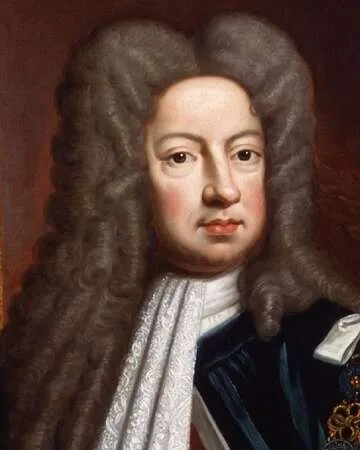
The Historic Ascension of King George I
King George I: From Hannover to the Throne
On August 1, 1714, the world witnessed the founding of a new royal lineage in Britain as Georg Ludwig von Hannover was crowned as King George I at the iconic Westminster Abbey. Born in 1660 in Hannover, Germany, George was the son of Ernest Augustus, Elector of Hannover, and Sophia of the Palatinate. His ascension to the British throne marked the beginning of the Hanoverian dynasty, which played a crucial role in shaping modern British history.
The Transition of Power: A New Era Begins
Upon the death of Queen Anne, the last monarch of the Stuart dynasty, there was a significant concern regarding the succession due to her lack of surviving heirs. The Act of Settlement 1701 stipulated that the throne should pass to a Protestant, thus favoring George, who was a great-grandson of James VI and I. His crowning on this day signified a monumental shift in power dynamics, bringing stability to a nation that had seen its share of political turbulence.
The Significance of the Coronation Ceremony
Westminster Abbey: A Symbol of Royal Tradition
Westminster Abbey has long been a revered site for British coronations, and King George I's investiture was no exception. The lavish ceremony, filled with grandeur and religious rituals, embodied the rich traditions of the monarchy. The symbolic crowning not only formalized George's role as king but also reaffirmed the continuity of the monarchy, crucial for national unity.
The Impact on British Politics and Society
King George I ruled during a significant period in British history, characterized by the emergence of political parties and the gradual establishment of a parliamentary system. His reign helped to solidify the power of the Whig party, many of whom supported his rule as a counter to the Jacobite causes seeking to restore the deposed Stuart line. This period also saw the strengthening of the monarchy's relationship with the evolving British parliament, changing the landscape of governance for years to come.
Fun Fact
King George I's Unique Royal Connection
Interestingly, King George I was the first British monarch not to speak English fluently. He primarily communicated in German, which led to some challenges in his early reign and shaped the multicultural narrative of Britain.
Additional Resources
Recommended Reading on King George I
For those interested in a deeper exploration of King George I and his era, consider reading "The Hanoverian Succession: 1714-1760" by Ian Kershaw, which provides insights into his reign and its implications for British history.









 Continue with Google