


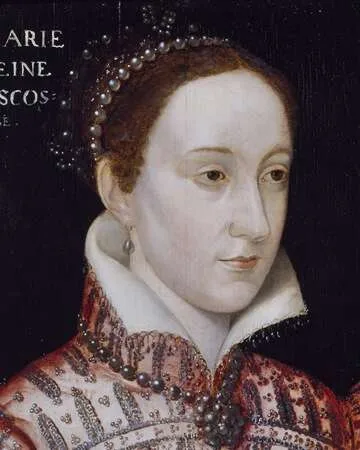
Queen Mary Stuart: A Royal Beginning
In a momentous event that forever altered the course of Scottish history, Mary Stuart, known as the Queen of Scots, was crowned at just nine months old on September 9, 1543. This crowning took place in the central Scottish town of Stirling, a significant location rich in Scotland's royal legacy. Mary's ascendance to the throne was not just a ceremony but a pivotal point marking the beginning of her fascinating—and tumultuous—life.
The Significance of Mary Stuart's Coronation
Mary's coronation symbolized the unity and continuity of the Scottish monarchy. The event was celebrated with grandeur, despite her tender age. Because she was a mere infant, the ceremony also highlighted the political intrigues at play, as powerful nobles and advisers vied for control over the young queen's future. This early crowning set the stage for a life replete with both privilege and peril, shaping Scotland's turbulent political landscape for decades to come.
The Role of Stirling Castle
Stirling Castle, the backdrop for this historic event, played a vital role in Mary's early reign. The castle served as the administrative heart and a symbol of Scottish power. Its selection for the coronation emphasized its importance as a strategic stronghold of the Scottish monarchy, capturing the essence of Mary’s lineage.
A Glimpse Into Mary Stuart's Life
Mary's life after her coronation was marked by dramatic personal and political challenges. As she grew, the expectant future of Scotland rested heavily upon her shoulders along with the responsibilities that came with being a monarch.
The Challenges of Being Queen of Scots
Even in her youth, Mary faced challenges that would follow her throughout her reign. The political atmosphere in Scotland was fraught with contention, as rival factions, including those loyal to England and her French allies, sought to exert influence over her decisions. Her experiences during her formative years as a queen laid the groundwork for the political conflicts and personal intrigues that would define her life.
Mary's Later Life and Legacy
Mary Stuart's legacy is complex and multifaceted. After years in French court and her return to a divided Scotland, she would ultimately face imprisonment and execution. Yet, her life has left an enduring mark on Scottish history, inspiring countless stories, films, and cultural works that resonate with themes of power, betrayal, and tragedy.
Fun Fact
Mary Stuart’s Interesting Fact
Did you know that Mary Stuart was born in December 1542, just six days after her father's death? This made her the first female monarch of Scotland to ascend to the throne while still an infant, a rarity that brought her considerable attention.
Additional Resources
Recommended Reading on Mary Stuart
For those interested in delving deeper into the life of Mary Stuart, consider reading The Other Queen by Philippa Gregory, which provides a fascinating fictional account of her life, or Mary Stewart's novels, detailing her life with captivating storytelling and rich historical context.



 Continue with Google