


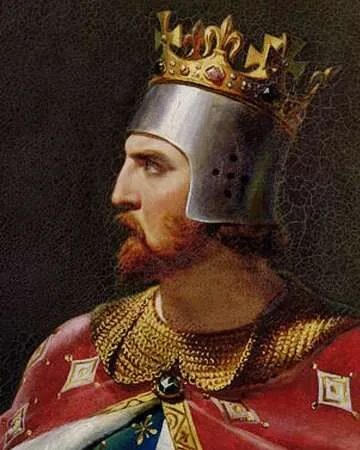
The Final Stand of King Richard I
On April 6, 1199, King Richard I, known as Richard the Lionheart, met his untimely end in a picturesque yet tragic setting. Engaged in a protracted conflict with France, Richard had been leading his troops with renowned bravery and military prowess when disaster struck. While laying siege to the castle of Châlus-Chabrol, he was severely wounded by a crossbow bolt fired from one of the castle's defenders. This event would mark not only the end of Richard's valiant campaign but also the beginning of the struggle for the English throne that would ensue after his death.
Richard I's Heroic Legacy
Before this fateful moment, Richard I had earned a reputation as a fearless leader and a heroic figure in the Crusades. His valor and determination were legendary, making him one of the most admired monarchs of his time. This devotion to his realm brought both honor and inevitable conflict, as he constantly sought to expand his influence on the European stage. His commitment to his kingdom ultimately came at a steep personal cost.
The Siege of Châlus-Chabrol
The siege where Richard was struck down was not just another military operation; it was a culmination of his relentless pursuit of power. The castle, known for its strategic importance, stood firm against Richard’s forces. The unexpected blow came as a shock to Richard and his loyal men, showcasing the unpredictable nature of warfare during the Middle Ages. This injuries sustained in battle illustrates the perilous world he navigated as a king and warrior.
The Aftermath of Richard's Injury
Following the injury from the crossbow bolt, King Richard's condition rapidly deteriorated. Despite being a king renowned for his strength and resilience, he succumbed to infection and blood loss just days later, on April 6, 1199. His death not only brought sorrow to his subjects but also set off a power struggle among the nobility. Richard's absence would leave England vulnerable and shaky, necessitating the rise of new leadership.
The Succession Crisis
Richard's death plunged England into a succession crisis. He had not properly designated an heir, leading to significant uncertainty about who would assume the throne. His brother John would eventually claim the crown, though his reign was fraught with challenges and disputes that stemmed from Richard's untimely demise. This moment illustrates how one casualty on the battlefield can ripple through a nation's history.
The Legacy of Richard the Lionheart
Despite the controversies surrounding his reign, Richard I remains a symbol of courage and chivalry. He is often romanticized in literature and stories as the archetypal warrior king, a figure marking the height of medieval kingship. His legacy continues to influence popular culture, highlighting the complexities of heroism and the tragic costs of war.
Fun Fact
Richard I's Interesting Fact
Interestingly, Richard I spoke very little English. His primary language was French, as he spent much of his life in France, reflecting the mixed cultural influences of his time. This fact adds a layer to understanding how a king could rule England while being distant from its native tongue.
Additional Resources
Recommended Reading on Richard I
For those who are captivated by the life and times of Richard I, consider reading The Plantagenets: The Warrior Kings and Queens Who Made England by Dan Jones or Richard the Lionheart: King and Crusader by Peter B. Campbell. These works delve into his battles, personal life, and the impact of his reign.







 Continue with Google