


The Context of the 1665 War Declaration
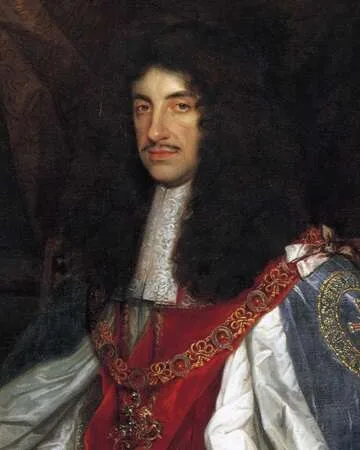
The declaration of war by King Charles II of England on the Netherlands in 1665 marked a significant moment in European history. At this time, England and the Netherlands were engaged in various struggles related to trade and naval power, which fueled tension between the two nations. Following the discontent from previous conflicts, including the First Anglo-Dutch War (1652-1654), hostilities resumed as the quest for dominance in global trade routes intensified.
Economic Rivalry Leading to War
The rising economic rivalry can be traced back to the thriving trade networks established by the Dutch Republic, which threatened England's own burgeoning mercantile interests. As the English sought to expand their influence in the Caribbean and the Americas, the Dutch remained dominant in these lucrative trade routes. The competition for commerce ultimately sowed discord, leading to King Charles II’s momentous decision to declare war.
The Role of Naval Power
Naval supremacy became a pivotal battleground for this conflict. The royal navy needed to bolster its power against the skilled Dutch navy, which had established itself as a formidable opponent. The outcome of this war would significantly impact England's future naval capabilities and its status on the global stage.
The Declaration of War
On March 4, 1665, Charles II formally declared war on the Netherlands, marking the beginning of the Second Anglo-Dutch War. This declaration came after diplomatic efforts to resolve disputes failed and was rooted in both commercial and territorial ambitions. The motivations behind the declaration were complex, involving issues like trade tariffs and control of key maritime trade routes.
Charles II's Strategic Intentions
King Charles II aimed to reassert England's influence, particularly in the area of trade with the East Indies and throughout the Americas. The declaration was not just a military decision but an effort to galvanize national unity and rally support among merchants and the nobility who stood to benefit from an expanded English Empire.
Impact of the War on England and the Netherlands
The Second Anglo-Dutch War led to significant maritime confrontations, including characterized naval battles such as the Battle of Lowestoft in 1665. The outcomes of these battles had lasting repercussions on both nations, shaping future policies and military strategies.
Fun Fact
Naval Battles Defined the Conflict
One fascinating fact about the Second Anglo-Dutch War is the significant naval battles that marked this conflict. The Battle of Lowestoft was among the most notable, where the English fleet under Admiral Sir Edward Montagu decisively defeated the Dutch fleet.
Additional Resources
Recommended Reading on the Second Anglo-Dutch War
For those interested in diving deeper into this conflict, consider reading The Anglo-Dutch Wars of the Seventeenth Century by Richard T. Vann or Naval Warfare in the Age of Sail by R. C. Anderson for more insights into naval strategies of the time.












 Continue with Google