


The Significance of the Council of Trent
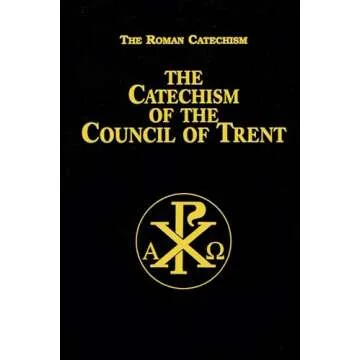
The Council of Trent was a crucial event in the history of the Catholic Church, convened in response to the challenges posed by the Protestant Reformation. Originally initiated by Pope Paul III in 1545, its roots trace back to 1539 when the planning stages were marked by delays. As political tensions rose in Europe, the Church faced enormous barriers in convening bishops from across the continent.
The Actions of Pope Paul III
Pope Paul III, recognizing the urgency of reform and the threats against the Church, had sent out letters to his bishops in 1539 urging them to gather in Venice for a council that would address key issues of faith, discipline, and reform. However, he also had to acknowledge the changing political landscape. The outbreak of war made travel increasingly dangerous and complicated, forcing him to delay these proceedings.
The War and Its Impact
The wars in Europe, particularly between major powers like France and the Holy Roman Empire, created a sense of unease that impacted the logistics of the Council. Many bishops, who would typically travel considerable distances to attend, found themselves trapped by the conditions imposed by the warfare. This dire situation hindered the representation at the Council and delayed the much-needed discussions.
The Consequences of the Delay
The postponement of the Council of Trent not only reflected the immediate challenges of the day but also highlighted the pressing need for reform within the Church. The Catholic Church was at a turning point; only through a united front could it hope to withstand the wave of Protestantism sweeping through Europe.
Long-Term Effects on the Catholic Church
The eventual gathering of the Council from 1545 to 1563 provided an opportunity for the Church to address issues like clerical corruption and the education of clergy. Although the delay in 1539 presented difficulties, it was ultimately at the extended sessions of the Council of Trent where key theological and practical reforms were rectified.
The Role of Bishops
The composition of the Council relied heavily on the participation of bishops, whose reluctance to travel due to the surrounding conflict emphasized the challenges facing the Church. Their eventual involvement was crucial in solidifying the measures that would define the Catholic response to Protestantism.
A Fun Fact About the Council of Trent
The Length of the Council
The Council of Trent is noted for being one of the longest councils in Church history, spanning from 1545 to 1563, despite its initial delays caused by wars and geopolitics.
Additional Resources
Recommended Reading on the Council of Trent
For those interested in a deeper exploration of the topics discussed during the Council of Trent, consider reading “The Council of Trent: Reform and Renewal” and “Catholic Reform: From the Council of Trent to the Last Supper”.






 Continue with Google