


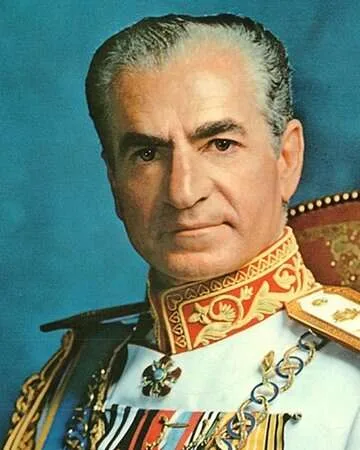
The Historic Flight of Shah Mohammad Reza Pahlavi
On January 16, 1979, a momentous event unfolded in Iran that would alter the course of its history. Shah Mohammad Reza Pahlavi, the monarch who had ruled for nearly four decades, fled the country amidst a tidal wave of protests and the Iranian Revolution. His departure marked not only the end of an era but also the beginning of a profound transformation within Iran, as the nation transitioned towards a new political order.
The revolution was fueled by widespread discontent with the Shah's regime, which was characterized by authoritarian practices, human rights abuses, and heavy reliance on Western powers, especially the United States. As the movement gained momentum, various factions—including leftists, religious leaders, and nationalists—united against his rule, demanding democratic reforms and social justice.
The Shah's Last Days in Power
As protests intensified in late 1978, the Shah attempted to quell the unrest through military force, which only fueled the anger of the populace. By early 1979, it became clear that his grip on power was irrevocably slipping. After a final appeal to the nation, the Shah chose to leave Iran in search of medical treatment, ostensibly to undergo cancer treatment in the United States, though it was widely seen as an escape from the revolution.
The Impact of His Escape
After his departure, the political vacuum led to increased chaos and the eventual return of the exiled cleric Ayatollah Khomeini, who would lead Iran into a new Islamic Republic. The Shah's flight was a pivotal moment that invited both jubilation and despair among the Iranian populace, paving the way for radical changes in Iran's government and social structure.
The Aftermath of the Shah's Departure
With the Shah gone, Iran faced a chaotic transition marked by protests, violence, and rapid political shifts. The interim government struggled to maintain order, but the momentum favored Khomeini and his followers. This led to the establishment of the Islamic Republic of Iran in April 1979, radically altering the nation's identity and governance.
In February 1979, Ayatollah Khomeini returned to Iran, welcomed by millions. His leadership reshaped Iran into a theocratic state, fundamentally opposing the Western-aligned policies of the Shah. The revolution had far-reaching implications, not just for Iran but for the entire Middle East, influencing political ideologies and movements across the region.
The Shah's Exile in Egypt
Following his departure from Iran, the Shah initially found refuge in several countries including Egypt, where he was granted asylum by President Anwar Sadat. However, his health deteriorated, and he passed away in July 1980 in exile in the United States, which only fueled further resentment among the Iranian people toward the West.
Fun Fact
Did You Know? The Shah's Return to Iran Was Almost Considered
In the days leading up to his departure, there were suggestions from some advisers that the Shah could reclaim his throne if he acted swiftly to appease the protestors, but he ultimately chose to leave the country for safety.
Additional Resources
Recommended Reading on the Iranian Revolution
For those looking to delve deeper into this fascinating and complex period, consider reading The Iranian Revolution: A Historical Perspective by James Buchan and All the Shah's Men: An American Coup and the Roots of Middle East Terror by Stephen Kinzer.










 Continue with Google