


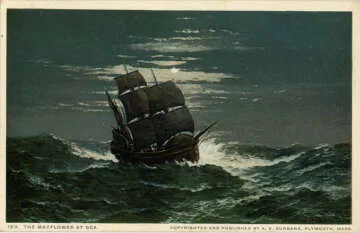
Setting Sail: The Journey Begins
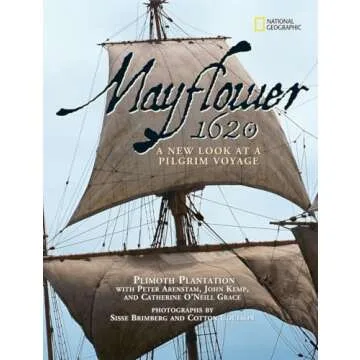
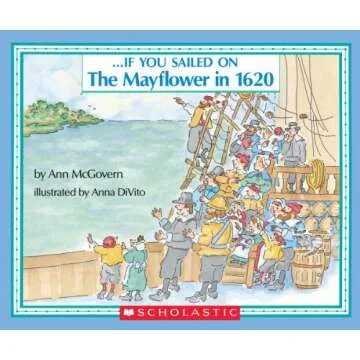
On September 6, 1620, a momentous event unfolded as the Mayflower set sail from Plymouth, England. This ship carried with it 102 determined Pilgrims seeking religious freedom and about 30 crew members. The Pilgrims, a group of English Separatists, were dissatisfied with the Church of England and had sought refuge in the more tolerant environment of the Netherlands. However, they were worried about losing their English identity and decided to venture to the New World, a decision that would forever alter their lives and the future of America.
The Mayflower was not designed for comfort; it was a cargo ship. The Pilgrims endured cramped quarters as they made their way across the Atlantic. This journey, fraught with uncertainty and peril, was undertaken with the hope of establishing a new life where they could freely practice their beliefs.
The Pilgrims' Faith and Motivation
The Pilgrims were motivated by their desire for religious freedom. They believed in a form of Christian worship that differed from the mainstream practices of their time. By seeking a new home across the ocean, they hoped to create a society based on their principles and beliefs, where they could live without persecution.
The Challenges Ahead
As the Mayflower embarked on its journey, the Pilgrims knew they faced significant challenges. They would encounter harsh weather, potential conflicts with indigenous peoples, and the difficulties of establishing a settlement in an unknown land. Their resolve and faith would be tested as they sailed into the uncharted territories of the New World.
Arrival and Impact
After a grueling 66 days at sea, the Mayflower finally arrived in what is now Massachusetts in November 1620. The Pilgrims anchored at Cape Cod before establishing a settlement at Plymouth. The impact of their journey and subsequent settlement was profound, paving the way for future colonization and shaping the cultural landscape of America.
The Mayflower Compact
Before disembarking, the Pilgrims drafted the Mayflower Compact, a foundational document that established a basic form of governance and set the stage for democratic principles in America. This agreement showcased their commitment to mutual cooperation and self-governance, laying groundwork for future democratic ideals.
Legacy of the Pilgrims
Today, the story of the Mayflower and the Pilgrims is one of hope, perseverance, and the quest for freedom. It marks a crucial chapter in American history, representing the enduring spirit of seeking a place where one can freely express beliefs and values.
Fun Fact
The Mayflower's Original Purpose
Interestingly, the Mayflower was initially built for cargo, and its journey took it far from its original purpose of transporting goods. Instead, it became a vessel of hope and a symbol of freedom for future generations.
Additional Resources
Recommended Reading on the Mayflower
To delve deeper into this fascinating chapter in history, consider reading "Mayflower: A Story of Courage, Community, and War" by Nathaniel Philbrick and "The Mayflower and the Pilgrims' New World" by David A. Adler. These works provide a rich exploration of the Pilgrims' journey and the early days of American colonization.




 Continue with Google