


The 1960 Political Turmoil in the Congo
In the wake of the Congo’s hard-fought independence from Belgian colonial rule in June 1960, political tensions escalated rapidly. Amidst promises of democracy and self-determination, the leadership structures faced immense challenges. One pivotal moment in this period was the firing of Prime Minister Patrice Lumumba by President Joseph Kasa-Vubu on September 5, 1960. This dismissal underscored the fragility of Congo's new government and foreshadowed subsequent violence that would plague the nation.
Patrice Lumumba, a charismatic leader and staunch advocate for Congolese sovereignty, faced mounting opposition from various factions, including the army and local politicians. His vision for a united Congo began to unravel as regional tensions and separatist movements gained traction. His assertive governance style and calls for national unity alienated some political allies who held different agendas.
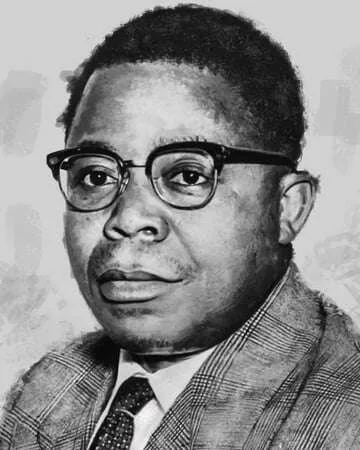
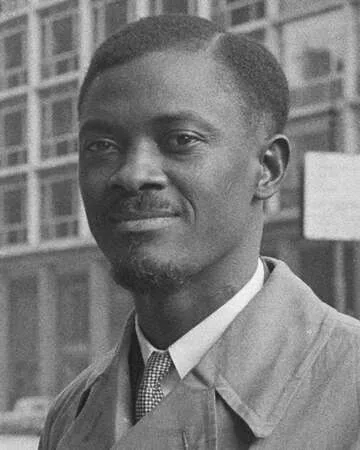
Patrice Lumumba: The People's Leader
Patrice Lumumba was born on July 2, 1925, in Onalua, Congo. He emerged as a key figure in the struggle for independence, becoming the first Prime Minister of the newly independent nation. Lumumba’s leadership was marked by his passionate rhetoric and commitment to social reform, aiming to alleviate the vast inequalities faced by many Congolese people. However, his approach sometimes clashed with the interests of Western powers and local elites.
The Presidency of Joseph Kasa-Vubu
Joseph Kasa-Vubu was born on December 28, 1910, and assumed the presidency of the Congo at independence. Originally a supporter of Lumumba, his relationship soured as their differing visions for the country clashed. Kasa-Vubu’s actions were also influenced by Cold War dynamics, as he sought support from Western nations that viewed Lumumba as a threat due to his socialist inclinations.
The Aftermath of Lumumba's Dismissal
Following the dismissal, the political landscape in the Congo deteriorated further. Lumumba refused to accept Kasa-Vubu’s decision, and this led to a power struggle that intensified the conflict within the government. Lumumba’s continuing popularity among many Congolese people fueled his resolve to remain in power, leading to a request for aid from Soviet Union, which alarmed the West.
The Context of Civil Unrest
Dissatisfaction with Lumumba’s government, particularly from regional leaders and the military, escalated rapidly after his dismissal. In the midst of internal strife, tensions led to the eventual secession of the Katanga region, exacerbated by foreign interests aiming to control the region's rich mineral deposits. This socio-political turmoil set the stage for further international interventions that complicated Congo's quest for stability.
The Global Implications of the Dismissal
The firing of Lumumba reverberated beyond Congo’s borders. It played into the broader context of Cold War politics, as various global powers sought to exert influence in Africa. Lumumba's alignment with Soviet ideologies made him a target for Western nations concerned about the spread of communism. His dismissal signified a pivotal moment where local politics intersected with global power struggles, leading to dire consequences for Congo.
Fun Fact
Patrice Lumumba’s Lasting Legacy
Despite his untimely ousting and tragic assassination in January 1961, Patrice Lumumba is celebrated as a national hero in the Congo. His efforts in advocating for independence and national dignity continue to inspire generations, symbolizing the struggle against colonial and imperialist influences in Africa.
Additional Resources
Recommended Reading on Patrice Lumumba
To explore more about Patrice Lumumba and Congo's political history, consider the following books: "Patrice Lumumba: A Biography" by Damien Hirst, and "Lumumba: The Last Words" by Jean-Pierre Dardenne. These works provide in-depth insights into Lumumba’s life, his leadership, and the significant events surrounding Congo's independence.



 Continue with Google