


Engel Korsendochter and the March of Resistance
The year 1531 marked a significant moment in Dutch history, prominently featuring the brave actions of Engel Korsendochter, a Catholic activist. Engel led a courageous march consisting of 300 women from the Guild of the Holy Sacrament, who protested against the destruction of a cherished chapel in Amsterdam that was to be replaced by a wool warehouse. This act of defiance not only showcased the resilience of these women but also highlighted the tension between religious devotion and economic interests that was prevalent during this period.
The Significance of the Chapel
The chapel that the women sought to protect held deep spiritual significance for the local community. It was more than just a place of worship; it symbolized faith, unity, and cultural heritage. The decision to replace it with a commercial enterprise angered many, as it seemed to prioritize profit over the spiritual well-being of the community.
Engel Korsendochter's Leadership
Engel Korsendochter emerged as a pivotal leader during the protest, rallying the women to stand for their rights and beliefs. Her charisma and conviction inspired others to join the cause, making it a powerful movement that brought attention to the grievances held by the local Catholics against authorities prioritizing commercial developments over religious traditions.
Consequences of the Protest
The outcome of this protest was severe, as the women were charged with rebellion against the authorities. They faced significant penalties, including fines and a banishment that lasted four years. Many saw this as an attempt to quell dissent and maintain control over the population's expressions of faith.
Charges and Punishments
The repercussions of their march included being labeled as rebels, leading to harsh fines and banishment for Engel and many others involved. These punishments reflected the authorities' desire to stifle the voices of those who dared to challenge the status quo.
The Emperor's Mercy
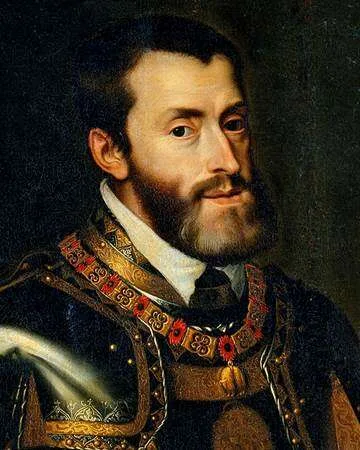
Despite the heavy-handed responses from local authorities, many of the women were eventually pardoned upon appeal to Holy Roman Emperor Charles V. This act of mercy illustrated the complexities of governance during this turbulent period, as the emperor showed a willingness to listen to the appeals of the women and their supporters.
Fun Fact
Engel Korsendochter's Legacy
The protest led by Engel Korsendochter is remembered as a significant moment in the struggle for religious and civic rights, highlighting the important role of women in early protest movements.
Additional Resources
Recommended Reading on Engel Korsendochter and the Dutch Catholic Protest
For those interested in exploring this topic further, consider reading "The Dutch Revolt: 1559-1648" by Geert Mak or "Amsterdam: A History of the World's Most Liberal City" by Russell Shorto. These texts provide valuable insights into the historical context and significance of the Dutch Catholic Protest.











 Continue with Google