


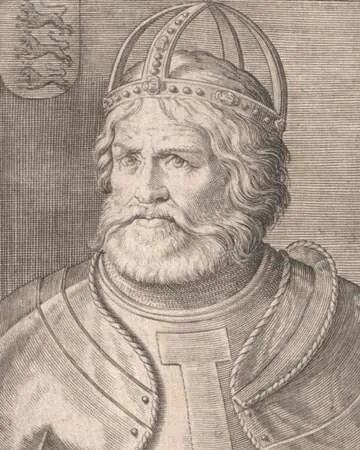
The Ascendance of Frederick I Barbarossa
In 1152, a pivotal moment in European medieval history occurred with the election of Frederick I, commonly known as Barbarossa, as the Holy Roman Emperor. This event marked the beginning of a reign that would significantly influence the political landscape of Europe. Frederick's election was celebrated not just as the rise of a powerful leader, but as a defining moment that would set the course for the Holy Roman Empire during the High Middle Ages.
Frederick I: A Leader Unveiled
Born around 1122 in Swabia, Frederick I was a noble from the House of Hohenstaufen. He became known for his charisma, military prowess, and unyielding ambition. His election came after the death of the previous emperor, Conrad III, and was primarily backed by the German princes who sought a strong leader to unify the fragmented empire. Frederick's ascent was characterized by a commitment to restoring the imperial authority that had waned in previous years.
The Challenges of the Empire
Frederick's election was not merely a ceremonial event; it symbolized the challenges he would face as emperor. The Holy Roman Empire was a mosaic of various territories and political entities, each with their rivalries and ambitions. Frederick's ambitious plans involved not only consolidating power but also restoring the prestige of the imperial crown in the eyes of both the nobility and the papacy.
The Reforms and Conflict of Frederick I
As Holy Roman Emperor, Frederick I was determined to implement far-reaching reforms to enhance the strength of the empire. He sought to unify his diverse territories and impose his authority on the local princes. However, his reign was also marked by significant conflict, particularly with the papacy.
The Investiture Controversy
One of the key issues during Frederick's reign was the ongoing Investiture Controversy, a power struggle between the papacy and secular rulers regarding the appointment of bishops. Frederick, like his predecessors, sought to assert imperial control over church appointments, which led to tensions with the Pope. These tensions would ultimately culminate in conflicts that challenged Frederick's authority and the unity of the Empire.
Military Campaigns and Legacy
Frederick was known for his military campaigns, including his famous ventures into Italy. His goal was to assert imperial domination over the northern Italian cities, a quest that would lead to battles with the Lombard League. Despite facing numerous obstacles, including a devastating defeat at the Battle of Legnano in 1176, Frederick's legacy as a formidable military leader endured.
Fun Fact
The Legend of Barbarossa
A fascinating tale about Frederick I is the legend that he lies asleep in a mountain, waiting to return when the empire needs him most. This myth reflects his lasting impact on the German psyche and medieval ideology surrounding the idea of a king destined for greatness.
Additional Resources
Recommended Reading on Frederick I Barbarossa
For those wishing to explore more about this remarkable figure, consider reading The Emperor Frederick II by David Abulafia or Barbarossa: The Great Crusade by Jochen Schenk. Both provide insights into his reign and the transformative period of European history he navigated.






 Continue with Google