


An Overview of Manuel I Komnenos' Reign
The death of Manuel I Komnenos in 1180 marked a significant turning point in Byzantine history. He was the last emperor of the Komnenian restoration, a period characterized by military successes, territorial expansion, and attempts at restoring the empire's former glory. Manuel's reign from 1143 to 1180 was pivotal; he skillfully navigated the political landscape of Europe, engaging in both diplomatic alliances and military campaigns against various foes.
Manuel I Komnenos: A Visionary Monarch
Manuel I Komnenos was known for his ambitious foreign policy that sought not only to restore Byzantine prestige but also establish a dominant presence in the Mediterranean. He endeavored to revitalize the Byzantine military and prolong the empire's influence, especially in the face of rising threats from the Norman invasions and the encroaching Muslim powers. His reign saw the flourishing of arts and culture, yet it was also marked by internal troubles and external threats that loomed large.
The Legacy of Manuel I Komnenos
With Manuel's death, the empire faced a vulnerable future. His absence left a power void, and the political unity he cultivated began to unravel. The subsequent emperors struggled to maintain the same level of control and influence, leading to the empire's gradual but inevitable decline. The loyalty of provincial leaders weakened, and infighting among the aristocracy increased as factions sought to fill the power gap left by Manuel.
The Impacts of Manuel I Komnenos' Death
Manuel I Komnenos' death would set the stage for the eventual decline of the Byzantine Empire. Following this period, there were critical events, such as the Fourth Crusade in 1204, that would plummet the empire into a state of chaos.
The Beginning of Fragmentation
After Manuel's passing, the Byzantine Empire began to fragment significantly. Without a strong leader to unify the disparate factions, provincial governors began asserting independence. This fragmentation weakened the empire's defenses against both external invaders and internal dissent, leading to increased instability and hardship.
External Pressures and the Empire's Response
The growing threats from external entities, particularly the Seljuk Turks and later the Ottomans, coupled with the internal strife, compelled the Byzantines to adopt increasingly desperate measures. The Byzantine military was often ill-prepared, leading to devastating defeats and loss of territory.
Fun Fact
The Most Controversial Figure in Byzantine History
Manuel I Komnenos is often viewed as a controversial figure; while he is celebrated for his diplomatic achievements, some criticized him for his prioritization of Western alliances over the well-being of the Byzantine territories, which contributed to long-term vulnerabilities.
Additional Resources
Recommended Reading on Manuel I Komnenos
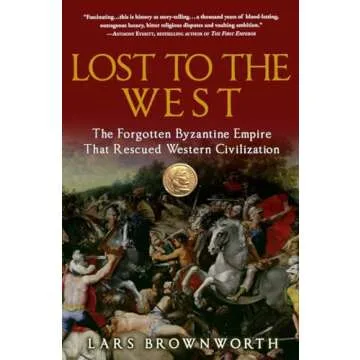
For those interested in learning more about this pivotal figure in Byzantine history, consider reading "Byzantium: The Surprising Life of a Medieval Empire" by Judith Herrin and "The Byzantine Empire" by Charles Oman for a broader understanding of the period following his reign.






 Continue with Google