


The Formation of Auschwitz Concentration Camp
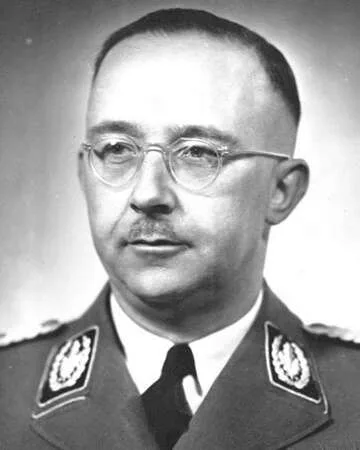
The Auschwitz Concentration Camp was established in 1940 under the brutal regime of the Nazi Party in Germany. It was a place that would ultimately become synonymous with the horrors of the Holocaust. On this fateful day, Heinrich Himmler, who was one of the principal architects of the Nazi regime and its oppressive policies, ordered the establishment of Auschwitz. This decision marked the beginning of a dark chapter in world history that would witness unprecedented human suffering.
Heinrich Himmler and His Role in Auschwitz's Creation
Heinrich Himmler was not just a Nazi leader; he was the head of the SS (Schutzstaffel), and his vision for the German Reich involved the systematic extermination of millions. Under his directives, the camp was built initially to accommodate political prisoners. As World War II progressed, Auschwitz would evolve into a site for the mass murder of Jews, Romani people, and other groups. His orders defined the operational framework of the concentration camp, leading to its grim expansion.
The Location and Purpose of Auschwitz
Auschwitz was strategically located in southern Poland, chosen for its accessibility and proximity to major rail lines. Originally designed to house common criminals and political prisoners, the camp quickly transformed into a place of death. The Nazi ideology targeted individuals deemed 'undesirable,' ultimately making Auschwitz the site of horrific experiments, forced labor, and mass exterminations.
Auschwitz's Legacy and Historical Significance
As the years passed, Auschwitz's purpose shifted drastically. It became the largest extermination camp, where over 1.1 million people lost their lives. The sheer scale of this atrocity forced the world to confront the depths of human cruelty. Auschwitz serves not only as a memorial to those who suffered but also as a stark reminder of the consequences of hatred and intolerance.
The Liberation of Auschwitz
Auschwitz was liberated by Soviet forces on January 27, 1945, uncovering the horrific realities of the Holocaust to the world. Survivors faced unimaginable trauma and the task of rebuilding their lives amid the ruins of their past. The camp's liberation brought attention to Nazi crimes and has since been pivotal in Holocaust education and remembrance.
Auschwitz's Role in Holocaust Memory
Today, Auschwitz stands as a vital symbol in our collective memory of the Holocaust. It serves as a museum and memorial where visitors from all over the world come to learn about the atrocities that occurred. The camp has become an influential site for promoting human rights and educating future generations about the importance of tolerance and understanding to prevent the repetition of such inhumanity.
Fun Fact
Auschwitz's Transformation
Interestingly, the name "Auschwitz" is derived from the Polish name "Oświęcim," a town near which the camp was built. The facilities initially served as a garrison for the Polish army before becoming a site of horror under Nazi control.
Additional Resources
Recommended Reading on Auschwitz
For those looking to delve deeper into the complex history of Auschwitz, consider reading "Night" by Elie Wiesel, which offers a poignant account of life in concentration camps, or "Auschwitz: A New History" by Laurence Rees, which provides a comprehensive overview of the camp's establishment and operation.












 Continue with Google