


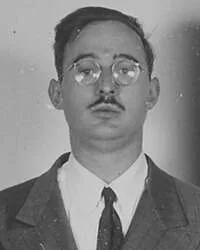
The Controversial Case of Julius Rosenberg
The story of Julius Rosenberg is one that still sparks debate today. Born on May 12, 1918, in New York City, Rosenberg worked as an engineer and later became embroiled in one of the most infamous espionage cases in American history. With his wife, Ethel Rosenberg, he was convicted of spying for the Soviet Union during the height of the Cold War. This led him to become the first American civilian to be executed for espionage on June 19, 1953.
Julius Rosenberg's Early Life and Education
Rosenberg grew up in a Jewish immigrant family in New York City and showed a knack for academics early on. He attended the City College of New York, where he earned a degree in electrical engineering. With a talent for technology and a fervent belief in communism, he became involved in leftist politics during the 1930s, which set the stage for his later actions.
The Espionage Charges Against Julius Rosenberg
Julius and Ethel Rosenberg were accused of transmitting classified information about American military technology to the Soviet Union. This included secrets related to radar, jet propulsion, and nuclear weaponry during a time when the U.S. was engaged in a tense cold war with the USSR. In a trial that was heavily influenced by the political climate of the time, the Rosenbergs were found guilty, with substantial controversy surrounding the fairness of the proceedings.
The Impact and Legacy of the Rosenberg Case
The case had a profound impact on the American public's perception of communism and espionage. Julius Rosenberg's execution was seen by many as a necessary measure in protecting national security, while others viewed it as a miscarriage of justice influenced by McCarthyism. The case raised questions about civil liberties, loyalty, and the extent to which the government can go to protect itself.
Thank You for Joining Us on This Journey Through History
As we reflect on the life and death of Julius Rosenberg, we recognize the extreme measures taken during a tense historical period. The ramifications of his actions and the subsequent trial continue to resonate in discussions about justice, freedom, and national security.
The Controversy Around Ethel Rosenberg
The role of Ethel Rosenberg in the espionage case remains a subject of intense debate. Some argue that she was an innocent party caught in an unjust system, while others claim she actively participated in her husband’s espionage activities. This controversy casts a long shadow over the trial and execution, leading to ongoing discussions of gender and justice.
Fun Fact
Julius Rosenberg's Death's Ripple Effect
The execution of Julius Rosenberg created a global outcry. Many influential figures, including Albert Einstein and various civil rights activists, spoke out against the death penalty, labeling it a political assassination and raising awareness of civil liberties issues in the United States.
Additional Resources
Recommended Reading on Julius Rosenberg
For those interested in a comprehensive exploration of the case, consider reading The Rosenberg File by Ronald Radosh and American Betrayal by Diana West, which delve into the depths of this historical espionage controversy.





 Continue with Google