


The Fall of the Kingdom of Kaffa in 1897
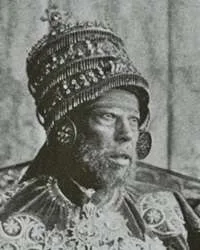
The Kingdom of Kaffa, an ancient empire located in the southern regions of Ethiopia, fell into the hands of the Ethiopian forces led by Emperor Menelik II in the year 1897. This pivotal moment marked the end of the kingdom, which had thrived for centuries in its unique cultural and political landscape. The conquest was not a sudden event; it followed months of intense pursuit and military strategy as Menelik II aimed to expand his empire and consolidate control over Southern Ethiopia.
The Kingdom of Kaffa’s Rich History
The Kingdom of Kaffa was notable for its rich history and played a crucial role in the regional dynamics of Ethiopia. Established in the 14th century, it was renowned for its wealth, particularly in coffee production, which contributed significantly to trade in the region. The people of Kaffa had their own unique traditions and systems of governance, distinct from their northern neighbors.
Gaki Sherocho: The Last Sovereign of Kaffa
Gaki Sherocho, the last ruler of the Kingdom of Kaffa, was a prominent figure during this tumultuous period. As the Ethiopian forces advanced, Gaki Sherocho fought bravely to defend his kingdom. However, after exhaustive campaigns, he was ultimately captured by Menelik II's generals, illustrating the broader theme of the decline of many independent African states during the late 19th century.
The Legacy of the Conquest
The capture of Gaki Sherocho and the fall of Kaffa significantly altered the political landscape of Ethiopia. It marked a pivotal point in the unification of the Ethiopian state under Menelik II, who aimed to modernize and strengthen his empire against colonial threats. The war had lasting impacts on the peoples of the region, shaping their cultural and political identity.
Menelik II’s Role in Unifying Ethiopia
Menelik II emerged as a formidable leader who united various Ethiopian regions to resist foreign domination. His military acumen and diplomatic engagements not only led to the victory over Kaffa but also set Ethiopia on a path to becoming a symbol of independence in Africa during the age of colonialism.
The Impact on Kaffa’s Heritage
The fall of the Kingdom of Kaffa brought an abrupt end to centuries of independence. The cultural practices and governance systems were challenged and often suppressed following its annexation. However, the legacy of Kaffa remains integral to Ethiopian heritage, particularly in the realms of coffee cultivation and cultural diversity.
Fun Fact: The Coffee Connection
Kaffa: The Birthplace of Coffee
An interesting fact about the Kingdom of Kaffa is that it is widely believed to be the birthplace of coffee. The area’s rich coffee plants contributed to its economy and cultural significance, influencing the global coffee trade.
Additional Resources
Recommended Reading on the Kingdom of Kaffa
For those interested in learning more about the Kingdom of Kaffa and its history, consider reading "The Coffee Kingdom: Culture and History" and "Ethiopia: A History for the Modern World". These works explore the intricate legacy of Kaffa and broader Ethiopian history in detail.













 Continue with Google