


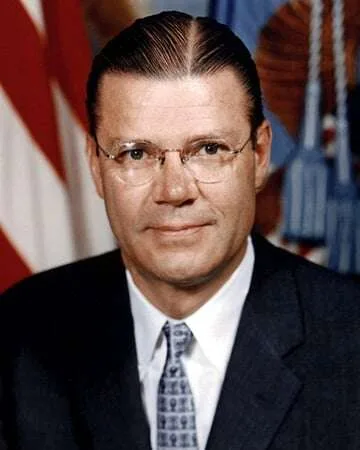
The Shocking 1972 Ferry Incident
In a crucial moment of 1972, former U.S. Secretary of Defense Robert McNamara found himself at the center of a spectacular confrontation that symbolized the deep divisions in American society over the Vietnam War. This incident vividly reflected the intense emotions of artists and activists who opposed the war. As McNamara boarded a ferry, seeking to enjoy a quiet journey, little did he know that he was about to encounter a passionate critic of his policies.
Who Was Robert McNamara?
Robert McNamara, born in 1916, was a key figure in U.S. military policy during the Vietnam War. Serving as Secretary of Defense from 1961 to 1968, he played a significant role in expanding the U.S. involvement in Vietnam, which ignited widespread protests and significant dissent among the American public.
The Artist’s Frustration
The artist involved in this incident aimed to capture McNamara’s attention in a bold act of resistance. Frustrated by U.S. policies, particularly the devastation caused in Vietnam, this confrontation was not just a personal attack on McNamara, but a broader statement against the war itself.
The Incident Unfolds
The ferry ride turned into a dramatic scene when the artist confronted McNamara, demanding accountability for his actions that led to the suffering of many. Witnesses reported that during this confrontation, the artist reportedly attempted to throw McNamara overboard. This shocking moment was a tangible expression of the outrage felt by many Americans regarding the war.
A Moment of Chaos
As tensions flared, the artist's actions were perceived as a desperate, albeit misguided, attempt to make a point. The ferry staff intervened swiftly, preventing any real harm and ultimately, no charges were pressed. This encounter highlighted the lengths to which individuals would go to express their discontent with government decisions.
Reactions to the Incident
Reactions to the assault attempt were mixed. Some viewed the artist as a hero fighting against an unjust system, while others condemned the act as dangerous and irrational. This incident became a focal point for discussions about freedom of expression, the ethics of protest, and the impact of the Vietnam War on American society.
Fun Fact
The Artist's Identity
Though the artist's name is often overlooked in history, their actions remain a potent reminder of the turbulent times during the Vietnam War, sparking conversations about personal responsibility and ethics in political protests.
Additional Resources
Recommended Reading on the Vietnam War
To understand the complexities of the Vietnam War and its impact on American society, consider reading "The Pentagon Papers" which provides crucial insights, or "A Rumor of War" by Philip Caputo, which offers a personal perspective on the conflict.




 Continue with Google