


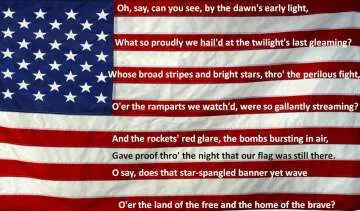
The Birth of a National Anthem
The events leading up to the creation of the United States' national anthem, "The Star-Spangled Banner," occurred during a tumultuous time in American history. In 1814, amidst the backdrop of the War of 1812, British forces were mounting a fierce attack against Fort McHenry in Baltimore. As the dense smoke and roar of cannon fire filled the air, a man named Francis Scott Key found himself on a ship, anxiously observing the battle unfold.
The sight of the American flag—known as the Star-Spangled Banner—flying defiantly over the fort after the bombardment ignited a profound sense of patriotism in Key. Moved by the resilience of the American spirit, he set pen to paper and began to write a poem that would later be set to music, ultimately becoming the national anthem we cherish today.
Francis Scott Key: The Poet of the Anthem
Francis Scott Key, a lawyer and amateur poet, became the voice of American perseverance when he penned the poem "Defence of Fort M'Henry". His words captured the emotions and pride felt by many as they watched the fiery struggle take place. Key's experiences that day filled him with inspiration and a longing to express the enduring spirit of the nation.
The Significance of the Fort McHenry Battle
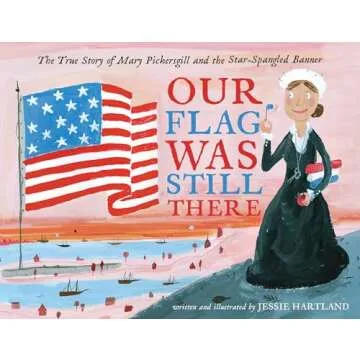
The battle at Fort McHenry was a significant moment in the War of 1812, showcasing the determination of American forces to withstand foreign aggression. The sight of the huge flag—crafted by Mary Pickersgill—stitched together with bright colors, symbolized hope and resilience, marking a turning point in the war that would ultimately lead to American pride and unity.
The Anthem's Evolution and Legacy
Although Key's lyrics were written amid the chaos of war, they resonated with the events that followed. The poem was soon set to the tune of an old British song, and over time, it evolved into our beloved national anthem.
The First Public Performance of the Anthem
In the years following its creation, "The Star-Spangled Banner" was sung at public events, gaining popularity. It wasn't until the 1930s that it officially became the national anthem of the United States, forever linking it to American identity.
Key’s Legacy and Commemoration
Today, Francis Scott Key is celebrated for his contributions to American culture and his lyrical genius. The anthem invokes feelings of pride and unity, particularly during national events, sports games, and celebrations, reminding us of our shared history and struggles for freedom.
Fun Fact
Did You Know?
The original title "Defence of Fort M'Henry" wasn’t changed to "The Star-Spangled Banner" until much later. The proud name transformation reflects the powerful imagery and symbolism that the anthem has come to represent for generations of Americans.
Additional Resources
Recommended Reading on Francis Scott Key
For those interested in learning more about Francis Scott Key and the history of the national anthem, consider reading "The Star-Spangled Banner: The Making of an American Icon" or "Francis Scott Key: The Man Who Wrote the Anthem". These works delve into Key's life and the cultural significance of the anthem.












 Continue with Google