


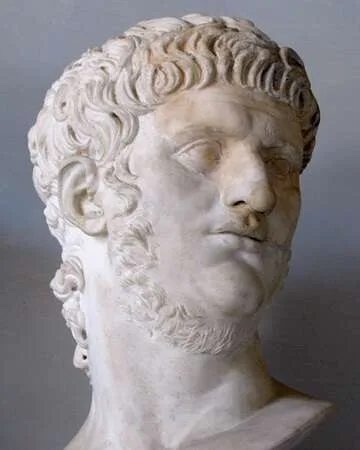
The Downfall of Nero: A Tragic End
The year 68 AD marked a significant and shocking chapter in Roman history when Emperor Nero, once praised for his artistic talents and eccentric personality, faced a dramatic downfall. After years of misrule, public discontent, and political intrigue, the **Senate** declared him a public enemy. This declaration not only stripped him of his title but also condemned him to a cruel punishment—death by flogging.
Nero, realizing the gravity of his situation, chose to take matters into his own hands rather than face the humiliation of execution. In his final moments, he summoned his loyal **secretary**, Epaphroditos, imploring him to carry out his wish: to end his life swiftly. This desperate act led to one of the most infamous suicides in history, marking the end of a turbulent era.
Nero's Life and Reign
Born in 37 AD, Nero ascended to the throne at just 16 years of age, having been adopted by his great-uncle, Emperor Claudius. Initially, his reign saw a mixture of cultural pursuits and political manipulation. Despite his initial popularity, Nero's excesses and allegations of tyranny—such as the Great Fire of Rome in 64 AD—ultimately shattered his regime. His descent into madness and cruelty alienated supporters and filled the Senate with animosity towards him.
The Events Leading to His Suicide
As revolts and conspiracies surged throughout the Roman Empire, the Senate deemed Nero unfit to rule and sought his removal. The inflating tension culminated in proclamations calling for his capture. It was in this context of betrayal and abandonment that Nero, feeling the walls closing in, chose suicide over disgrace. His last words, reportedly, were, "What an artist dies in me!" reflecting the complexity of his character.
The Aftermath of Nero's Death
Nero's death not only ended his life but also precipitated a chaotic power struggle within the Roman Empire known as the Year of the Four Emperors. Following his demise, several claimants emerged, each declaring themselves the rightful ruler. This tumultuous period highlighted the vulnerabilities of the imperial system and led to significant political shifts in the empire.
The Impact of Nero's Rule on Rome
Despite the cruel end to his reign, Nero's influence on Roman culture persisted long after his death. Many viewed him as a tyrant whose actions ultimately tarnished the image of emperors to come. His failure to maintain loyalty among his subjects serves as a lesson in the importance of governance marked by wisdom rather than indulgence.
Legacy of Controversy
Nero remains a controversial figure in history, with interpretations of his life varying widely between tyranny and misunderstood artist. Literary works and popular culture frequently revisit his story, investigating the complex interplay of power, creativity, and madness in leadership.
Fun Fact
Nero's Artistic Aspirations
Nero fancied himself a great artist, participating in various public performances, including music and poetry. He even competed in the **Olympic Games**. His insistence on showcasing his talents often drew ridicule, yet also illustrated the tension between his identity as a ruler and his passion as a performer.
Additional Resources
Recommended Reading on Nero
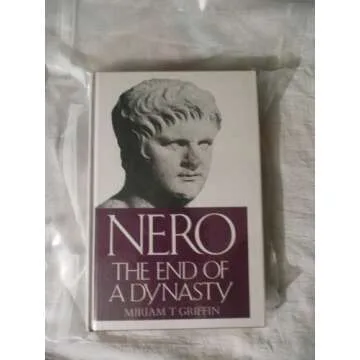
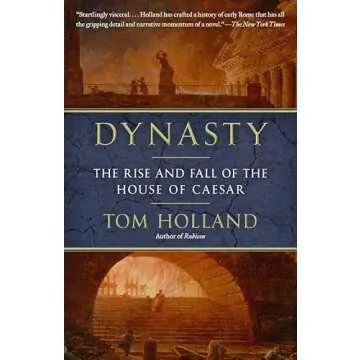
To delve deeper into the life and legacy of Nero, consider reading "Nero: The Man Behind the Myth" by Richard B. W. H. Murphy, which explores the complexities of his character, or "The Twelve Caesars" by Suetonius, which offers insights into the lives of Roman emperors including Nero.




 Continue with Google