


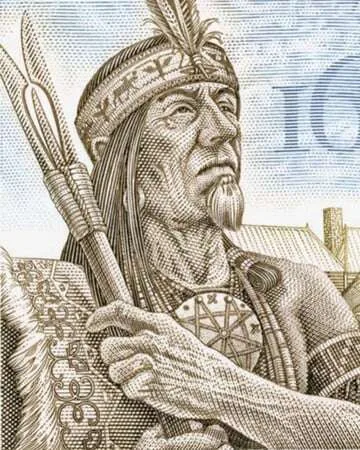
Historic Baptism of Chief Membertou and His Family
In a significant event in 1610, Chief Membertou of the Micmac Nation made history by becoming the first Indigenous leader to be baptized in North America. This occasion took place in Port-Royal, a French settlement in New France, and it marked a critical intersection of Indigenous and European cultures. Membertou, along with 20 members of his family, underwent baptism as a show of goodwill towards the French missionaries who had arrived in the region.
The baptism was a pivotal moment not just for the Micmac Nation but for the history of colonial interactions in North America. At the time, the French were establishing relationships with various Indigenous tribes, and this act was seen as an endorsement of the new faith. This baptism indicated a complex fusion of cultural beliefs and practices during a period of significant change.
Membertou: A Leader of Change
Membertou's decision to embrace Christianity was significant among his people. As a respected chief, his conversion had a profound impact on the relationship between the French settlers and the Micmac Nation. He advocated for his people's interests while navigating the dynamics introduced by the foreign settlers. His leadership style reflected a negotiator's approach — fostering connections while retaining the essence of Micmac culture.
The Family Ties in Baptism
The baptism of 20 family members alongside Membertou signifies the importance of kinship in Indigenous traditions. Families often played a crucial role in collective decision-making and representation of their communities. This collective baptism illustrates an attempt to strengthen bonds within the community while adapting to changing political landscapes introduced by European influences.
The Impact of Christianity on the First Nations
The event not only marked the first official conversion of a First Nations leader but also set the stage for further interactions between Indigenous populations and European missionaries. The Christian faith was gradually adopted within various tribes, though this integration was always complex and occasionally met with resistance.
Missionaries in New France
Christian missionaries played a prominent role in shaping the lives of the First Nations. Their attempts to convert Indigenous peoples often came with the promise of education and trade opportunities. However, these conversions also led to significant cultural shifts and the redefinition of Indigenous identities under colonial influence.
Cultural Exchange and Conflict
The baptism initiated a period of cultural exchange that was rich yet fraught with challenges. While some Indigenous leaders embraced Christianity, others resisted, leading to differing perspectives within the tribes. This baptism was also a precursor for future conflicts arising from colonial ambitions and misunderstandings between Native peoples and settlers.
Fun Fact
Chief Membertou's Legacy
Chief Membertou became an important historical figure not only for his role in the first baptism but also as a strong advocate for peace between the Micmac Nation and the French. His legacy continues to be remembered among the Micmac people as they navigate modern identity while honoring their rich heritage.
Additional Resources
Recommended Reading on Chief Membertou
For those interested in exploring more about Chief Membertou and the interactions between Indigenous peoples and European settlers, consider reading "The History of the Micmac People" and "Indigenous Peoples and Colonialism in North America". These texts provide deeper insights into the cultural dynamics and historical contexts of this era.







 Continue with Google