


A Milestone in Catholic Leadership
The First Bishop Synod held in Rome on October 29, 1967, marked a significant moment in the history of the Catholic Church. This synod was convened by Pope Paul VI and was the first of its kind since the Second Vatican Council. Its aim was to bring together leaders of the Church from around the world to discuss pressing issues facing the global Catholic community.
Understanding the Context of the Synod
The synod took place in a period of profound change for the Church. The Second Vatican Council had expressed a need for a more collaborative and decentralized Church governance, which echoed in the discussions at this synod. Bishops participated in deliberations designed to address challenges such as the role of laypeople, ecumenism, and the Church's mission in the modern world.
Key Themes of the Synod Discussions
During the synod, various themes emerged as central to the discussions. The bishops placed emphasis on the necessity for renewal within the Church, advocating for clearer communication of the faith, enhanced pastoral care, and greater inclusivity of laity in Church life. This represented a progressive stride as Church leadership sought to adapt to contemporary societal changes while remaining faithful to core teachings.
The Impact and Legacy of the 1967 Synod
The inaugural bishop synod laid the groundwork for a series of future synods, allowing for ongoing dialogue within the Church. The resolutions and insights garnered from the synod influenced the direction of Catholic policies and practices moving forward.
Continued Relevance of the Bishop Synod
Today, the model established during the First Bishop Synod continues to evolve. Modern synods now focus on diverse themes including social justice, technology, and youth engagement, reflecting the Church's ongoing dialogue with the global community. The spirit of the 1967 synod captures a legacy of collaboration that remains vital to the Church's mission.
Challenges That Arise from the Synod's Discussions
Even with the progressive outlook, the synod faced challenges. Differing views among regional bishops on issues such as birth control, interfaith dialogue, and the role of women were evident and remain topics of discussion today. These debates highlight the complexity of guiding a universal Church amidst diverse cultural contexts.
Fun Fact
A Unique Bishop Synod Experience
One interesting fact about the First Bishop Synod is that it was the first time that bishops from different countries used their native languages during discussions, emphasizing the universality of the Church and highlighting the richness of cultural diversity within Catholicism.
Additional Resources
Recommended Reading on the First Bishop Synod
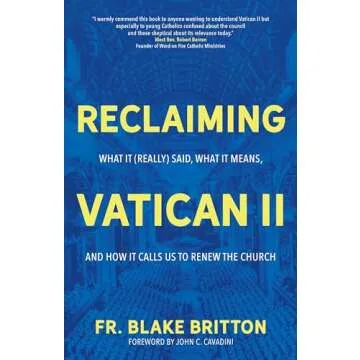
For those interested in deeper exploration, consider reading The Vatican Council by Robert M. Young or Understanding Vatican II by Richard P. McBrien. These works provide insightful perspectives on the significance of the synod and its impact on modern Catholicism.






 Continue with Google