


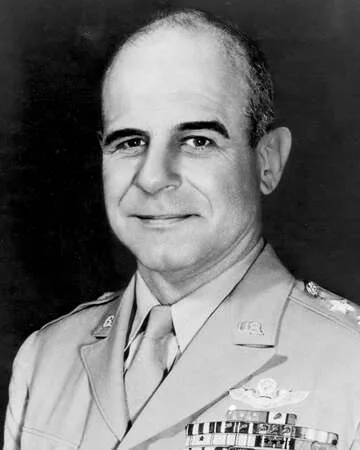
The Groundbreaking Flight of 1929
On September 24, 1929, an ambitious and historic aviation event took place when James Doolittle piloted a Consolidated N-Y-2 Biplane over Mitchell Air Force Base in New York, marking the first flight conducted solely using instruments. This accomplishment was not just a thrilling feat of aviation; it signified a pivotal moment in the field of flight navigation, which would revolutionize air travel forever.
Prior to this event, pilots primarily relied on visual cues from the ground and the horizon to navigate. However, Doolittle's successful flight demonstrated that it was possible to fly safely without visibility by using sophisticated instruments aboard the aircraft. This achievement set the stage for advancements in aviation safety and paved the way for modern flight technology, making it easier and safer for pilots to operate aircraft under challenging weather conditions.
The Role of James Doolittle in Aviation Innovation
James Doolittle, born in 1896, was not only an accomplished pilot but also an engineer and a pioneer in aviation technology. His contributions to flight included advocating for the use of instruments for navigation. During the historic flight, he effectively demonstrated how instrument flight rules (IFR) could be implemented, which soon became standard practice in aviation training and operations.
The Consolidated N-Y-2 Biplane’s Endurance
The aircraft that Doolittle flew, the Consolidated N-Y-2 Biplane, was a dependable plane that played a significant role in early military aviation. Its sturdy design made it suitable for various flight tests and experimental missions, proving to be an integral part of this milestone in aviation history.
Impact on Modern Aviation
Doolittle's successful instrument flight had a profound impact on how future pilots would navigate. It inspired the development of advanced navigation systems and instruments that are essential in today’s aviation landscape, allowing pilots to fly in adverse weather conditions and during nighttime operations.
Enhancing Safety in Aviation
The significance of this event extends beyond just flight operations; it emphasized the importance of safety in aviation. The ability to fly safely without visual cues reduced accidents and improved the reliability of commercial flights, forming the foundation for current airline standards.
Training the Next Generation of Pilots
This groundbreaking event also revolutionized pilot training. Modern training programs now heavily incorporate instrument flying techniques, ensuring that new pilots are equipped with the skills necessary to handle diverse flying conditions. Doolittle’s accomplishments directly influenced training programs that prioritize safety and proficiency in instrument navigation.
Fun Fact
James Doolittle’s Interesting Fact
Beyond his famous flight, James Doolittle is also renowned for leading the Doolittle Raid during World War II, where he demonstrated exceptional bravery and leadership skills. His legacy is firmly rooted in both military and aviation history.
Additional Resources
Recommended Reading on James Doolittle
For those interested in learning more about Doolittle and his contributions to aviation, consider reading “Doolittle: The Story of the Restless Angel” by James L. Stokesbury and “The Doolittle Raid: America’s Daring First Strike Back at Japan” by William B. Scott, which provides in-depth insights into his extraordinary life and pioneering efforts.








 Continue with Google