


The Birth of the American Equal Rights Association
The year **1866** marked a pivotal moment in the struggle for civil rights in the United States with the establishment of the **American Equal Rights Association (AERA)**. This organization aimed to promote **equal rights** for all people, regardless of race or gender, highlighting the intersectionality of social justice movements emerging after the Civil War. Following the abolition of slavery, activists recognized that the fight for equality didn't stop there; it also encompassed the rights of women.
Key Figures of the American Equal Rights Association
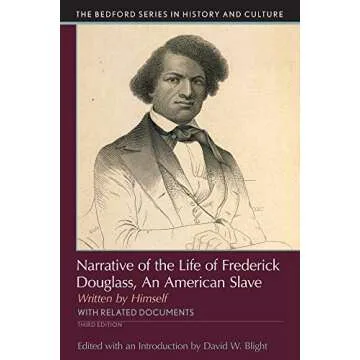
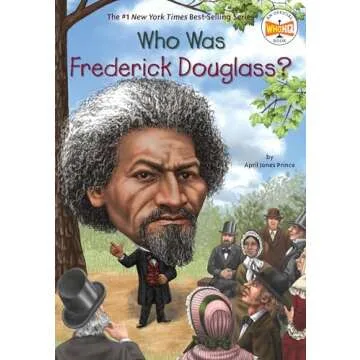
The **AERA** was founded by notable figures such as **Elizabeth Cady Stanton**, **Susan B. Anthony**, and **Frederick Douglass**. Their diverse backgrounds and shared visions fostered a powerful partnership advocating for civil rights. Stanton and Anthony focused on women's suffrage, while Douglass brought the urgent voice of the African American community into the fold, emphasizing the necessity for **universal suffrage**.
The Goals of the AERA
The primary mission of the **American Equal Rights Association** was to secure gender and racial equality, which included advocating for the **15th Amendment**. This amendment was critical as it aimed to grant African American men the right to vote, but it excluded women, triggering heated debates within the organization and the broader civil rights movement.
AERA's Impact on Civil Rights Movements
The formation of the **AERA** greatly influenced subsequent women's rights and civil rights movements. The organization provided a platform that fused the fight for **women’s suffrage** with racial equality, illustrating the interconnectedness of civil rights issues.
Challenges Faced by the American Equal Rights Association
Despite its noble pursuits, the **AERA** faced significant challenges, including internal conflicts regarding priorities between racial and gender equality. This contention eventually led to the organization's split in 1869 when suffragists and abolitionists disagreed on whether to support the **15th Amendment** without the inclusion of women’s voting rights.
Legacy of the AERA
The **American Equal Rights Association** may have dissolved, but its legacy continues to inspire current movements advocating for social justice. By embedding a commitment to equality across racial and gender lines, the AERA laid the groundwork for future organizations, including the **National American Woman Suffrage Association** (NAWSA) and subsequent civil rights initiatives well into the 20th century.
Fun Fact
AERA’s Unique Collaboration
The partnership of influential figures like **Frederick Douglass**, a former slave, and **Elizabeth Cady Stanton**, a prominent suffragist, represented a rare alliance of gender and racial equality activists during a period dominated by rigid societal norms.
Additional Resources
Recommended Reading on the American Equal Rights Association
For readers interested in exploring the history and impact of the **AERA**, consider the following influential works: The Woman's Hour: The Great Fight to Win the Vote by Elaine Weiss, My Descent into Death by **Frederick Douglass**, and Votes for Women: A History of the Women's Suffrage Movement in the United States by **Sophie M. D.**. These texts provide invaluable insights into this vital chapter of **American history**.





 Continue with Google