


The Historical Significance of the 1707 Acts of Union
The Acts of Union 1707 mark a pivotal moment in British history, as they officially united the Kingdom of England and the Kingdom of Scotland into a single sovereign state known as the United Kingdom of Great Britain. This unification brought about significant political, economic, and cultural changes that shaped the future of both nations.
Background of the Acts of Union
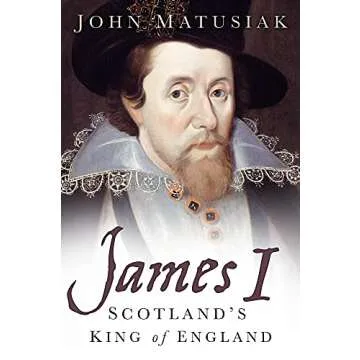
The Acts of Union were instituted after a long history of tension and conflict between the two nations. Prior to their union, England and Scotland had been governed separately, yet they shared a monarch since 1603 with King James VI of Scotland also becoming James I of England. The need for a structured political alliance became apparent due to various economic and military conflicts, including the Anglo-Scottish Wars. The Scottish Parliament recognized that their economic policies and international trade efforts could benefit from closer ties with England.
The Process Leading to the Union
Negotiations for the Acts began earnestly in the early 18th century, particularly following the Glorious Revolution of 1688, which established a precedent for political unity. The threat of foreign invasion and economic disadvantage prompted both parliaments to convene. Consequently, on May 1, 1707, the Acts of Union were ratified, leading to the dissolution of the Scottish Parliament and its powers being transferred to the new Parliament of Great Britain.
Impact and Consequences of the Union
The unification of England and Scotland through the Acts of Union had far-reaching impacts. It led to the establishment of a united legal system and currency, which facilitated trade and economic growth across Great Britain.
Political Changes After the Union
Politically, Scotland gained representation in the new Parliament. Though many Scots were dissatisfied with their reduced power, over time this representation contributed to a sense of belonging within a larger British identity. Yet, the centralization of power in London also fostered feelings of resentment and regional distinctiveness that would resurface in later centuries.
Economic Developments Through Union
The Acts also opened up Scottish ports to English trade markets, leading to significant economic growth. Scotland experienced financial prosperity with developments in industries such as linen, shipbuilding, and later, the Industrial Revolution which profoundly changed the social economic landscape of both countries.
Fun Fact
The Tartan and the Acts of Union
An interesting aftermath of the Acts of Union was the eventual ban on wearing tartans, which was initially implemented in 1746 as a measure to suppress Scottish culture. This law was a response to fears regarding Jacobite rebellions but was relaxed over time, leading to the revival of Scottish heritage in later centuries.
Additional Resources
Recommended Reading on the Acts of Union
For those interested in exploring this historical event further, consider reading "The Union of England and Scotland: 1603-1707" by Robert W. Chambers, or "The Acts of Union and Scottish History" by C. A. Whatley. These texts provide greater context and analysis of the significance of the Acts of Union in British history.











 Continue with Google