


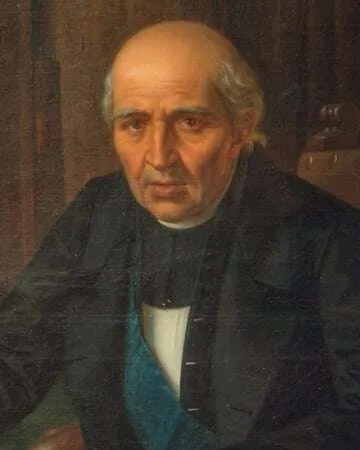
The First Step Towards Freedom
On the night of September 15, 1810, Priest Miguel Hidalgo y Costilla initiated a pivotal moment in Mexican history that would lead to the nation’s independence from Spanish colonial rule. Located in the small town of Dolores, Hidalgo gathered his parishioners and rang the church bells, delivering a passionate speech that would spark the Mexican War of Independence. This event, famously known as the Grito de Dolores or the "Cry of Dolores," was a fervent call to arms against oppression. As a dynamic and charismatic figure, Hidalgo’s actions that night galvanized a movement that would resonate throughout the country, uniting those who sought freedom and justice.
Miguel Hidalgo: The Man Behind the Call
Miguel Hidalgo y Costilla, born in 1753 in the town of Los Altos, was a priest and a progressive thinker who became increasingly disillusioned with the discrimination and inequality under Spanish rule. His education and background in theology and philosophy shaped his beliefs about natural rights and the need for reform. With a heart for social justice and a passion for his people, Hidalgo took it upon himself to fight for the rights of the oppressed, becoming a central figure in the struggle for Mexican independence.
The Significance of the Cry
The Grito de Dolores was more than just a clarion call; it represented the frustrations and aspirations of many Mexicans who felt marginalized by colonial authority. As Hidalgo shouted his demands for land reform, the abolition of slavery, and the right to self-governance, the crowd’s fervor ignited a revolution. By rallying the people with his powerful words, Hidalgo became a symbol of hope and courage, inspiring guerrilla fighters and revolutionaries for years to come.
From Insurrection to Independence
Following Hidalgo's initial cry for freedom, a full-scale conflict erupted known as the Mexican War of Independence. This lengthy struggle, lasting until 1821, involved numerous battles, the commitment of countless heroes, and a relentless pursuit of liberty. While Hidalgo’s life was cut short in 1811 when he was captured and executed, his legacy continued to inspire other leaders such as José María Morelos and Vicente Guerrero, who carried the torch of independence forward.
The End of Spanish Rule
By September 27, 1821, after a long and arduous struggle, Spanish rule officially ended in Mexico, allowing the country to establish itself as an independent nation. Hidalgo's initial call to arms laid the groundwork for these eventual victories and remains a vital part of Mexico's national identity.
A Celebration of Freedom
Today, the Grito de Dolores is commemorated annually on September 16 as Mexican Independence Day. Festivities include ceremonies, parades, and a reenactment of Hidalgo’s proclamation, showcasing the enduring spirit of freedom and resistance among the Mexican people. This day serves not only as a reminder of the past struggles but also as a celebration of the vibrant culture and resilient spirit of Mexico.
Fun Fact
Hidalgo’s Lasting Impact
Interestingly, the phrase "¡Viva México!" which translates to "Long live Mexico!", was popularized during Hidalgo’s speech and remains a staple exclamation during celebrations of Mexican culture and national pride.
Additional Resources
Recommended Reading on Miguel Hidalgo and Mexican Independence
For those looking to dive deeper into this significant historical figure and event, consider reading "A People's History of Mexico" by John Womack or "The History of Mexico" by Michael C. Meyer. These texts explore the complexities of the Mexican War of Independence and Hidalgo's influential role within it.








 Continue with Google