


Setting the Stage for Peace in the Middle East
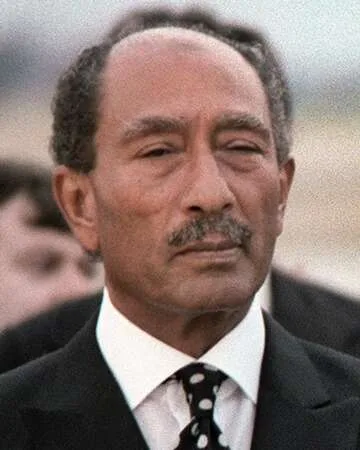
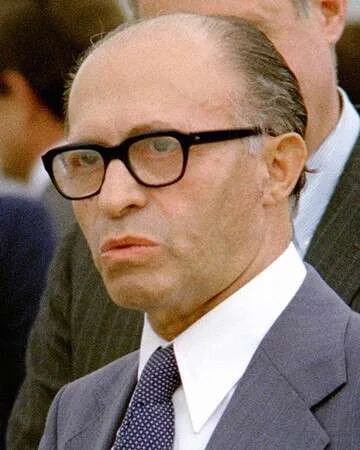
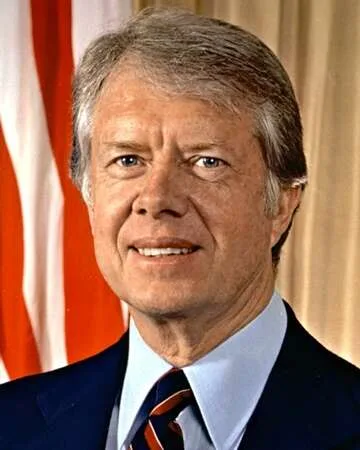
In September 1978, a pivotal moment unfolded in the ongoing Arab-Israeli conflict when Egyptian President Anwar Sadat, Israeli Prime Minister Menachem Begin, and U.S. President Jimmy Carter convened at the Camp David retreat in Maryland. This three-way summit marked a turning point in Middle Eastern diplomacy, aiming to establish lasting peace between Egypt and Israel.
The Role of Anwar Sadat
Anwar Sadat played a revolutionary role in the peace process by being the first Arab leader to recognize Israel's right to exist. His historic visit to Jerusalem in 1977 had set the tone for negotiations, showcasing his commitment to ending decades of hostility.
Menachem Begin's Leadership
Menachem Begin, as the leader of Israel, faced substantial pressure from hardliners within his own political party. However, he understood the significance of reaching a peace accord. Begin's willingness to engage in dialogue was crucial for laying the foundations of the eventual Camp David Accords.
Negotiating Peace: The Camp David Accords
The conference lasted 13 days and resulted in the historic Camp David Accords, which outlined a framework for peace between Egypt and Israel, including the return of the Sinai Peninsula to Egypt. This crucial agreement opened the door for the first peace treaty between Israel and an Arab nation.
The Framework of the Accords
The Accords emphasized the importance of recognizing each other's sovereignty and territorial integrity. Both leaders made profound concessions, with Sadat agreeing to recognize Israel and Begin committing to territorial withdrawal from the Sinai.
American Mediation: A Diplomatic Breakthrough
President Carter's role as a mediator was significant in reaching an agreement. His persistent diplomatic efforts paved the way for direct talks between the two leaders, demonstrating the potential for American involvement in Middle East peace efforts.
Impact and Legacy
The Egypt-Israel Peace Conference of 1978 had far-reaching ramifications for the Middle East. It not only marked the first peace treaty between Israel and an Arab state but also set a precedent for future negotiations in the region.
Long-Lasting Effects on Egypt-Israel Relations
The treaty signed in March 1979 has been a cornerstone for stability in the region. Though it faced criticism from other Arab nations and resulted in Sadat’s assassination in 1981, it established a framework for conflict resolution.
Shifting Dynamics in Middle Eastern Politics
The success of the Camp David Accords ignited hopes for further peace talks in the region. Subsequent negotiations with Jordan and the Palestinian Liberation Organization followed, albeit with varying degrees of success.
Fun Fact
Anwar Sadat's Brave Decision
One of the most courageous decisions in diplomatic history was Anwar Sadat's visit to Jerusalem in 1977. This bold act broke decades of animosity and opened the door for serious negotiations with Israel.
Additional Resources
Recommended Reading on the Egypt-Israel Peace Process
For those wanting to delve deeper into this historic journey toward peace, consider reading "Sadat: The Comprehensive Biography" by Ruthie Blum and "The Accidental Peace: The Camp David Accords" by David E. McCauley.












 Continue with Google