


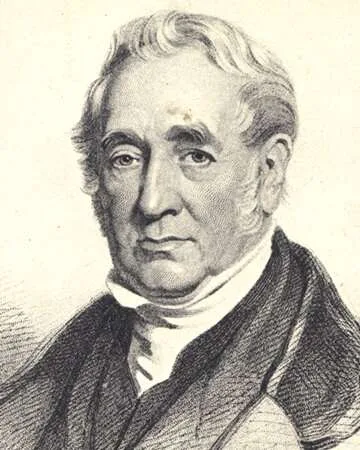
Introducing Locomotion No. 1: A Revolutionary Steam Locomotive
In 1825, a groundbreaking event in the history of transportation took place with the operation of Locomotion No. 1. Engineered by the talented George Stephenson, this innovative steam locomotive made history by becoming the first to carry passengers on a public railway—the Stockton and Darlington Railway in England. This pivotal moment not only marked the beginning of a new era in transportation but also transformed the way people and goods would travel forever.
George Stephenson's Vision for Railways
George Stephenson, often hailed as the "Father of Railways," had a clear vision for the future of locomotive travel. Born in 1781 in Wylam, England, Stephenson's early experiences working in the coal industry inspired his endeavors in creating efficient steam engines. He believed that railways could efficiently transport coal, materials, and eventually passengers—a belief that became a reality with the introduction of Locomotion No. 1.
Locomotion No. 1: Features and Innovations
Locomotion No. 1 was an engineering marvel of its time. It featured a powerful steam engine that drove wheels directly, allowing it to reach speeds that were previously unimaginable. With a design that showcased functionality and innovation, the locomotive was not just a tool for industry but also a means of connecting communities. Its inaugural journey was a testament to the potential of steam power and the burgeoning railway industry.
The Impact of Locomotion No. 1 on Society
The advent of Locomotion No. 1 had profound implications for society, igniting a transportation revolution that would reshape the modern world. It heralded the birth of public rail travel, leading to the establishment of extensive railway networks across Britain and beyond. With increased accessibility, urban areas began to flourish as people could travel more conveniently and swiftly than ever before.
Creating a New Standard for Travel
Locomotion No. 1 set a new standard for travel, showcasing the comfort and speed of rail transport. Passengers were treated to a novel experience, as the locomotive allowed for faster connections between towns. This change didn't just affect how people traveled; it spurred economic growth and industrial development as new markets emerged, fueled by the efficient transportation of goods.
Challenges and Triumphs of Steam Locomotion
Despite the triumph of Locomotion No. 1, the journey of steam locomotion was fraught with challenges. Early railways faced issues such as inadequate track construction and safety concerns. Nevertheless, the success of this pioneer locomotive encouraged further innovations and improvements in railway technology, paving the way for the expansive railway system we know today.
Fun Fact
Locomotion No. 1’s Unique Journey
The inaugural trip of Locomotion No. 1 was attended by a large crowd who were eager to witness the marvel of steam travel. On September 27, 1825, it pulled passenger carriages for the first time, and the journey covered approximately 13 miles, marking a thrilling moment in history.
Additional Resources
Recommended Reading on George Stephenson and Locomotion No. 1
For those intrigued by the life and achievements of George Stephenson, consider exploring "The Life of George Stephenson" by Samuel Smiles or "Locomotion No. 1: The Story of the First Railway Locomotive" by David L. Smith to gain deeper insights into this iconic figure's impact on the railway industry.








 Continue with Google