



The Significance of Gutenberg's Bible
The year 1978 marked a monumental moment in the history of publishing when a copy of the Gutenberg Bible, one of the first books ever printed using a movable type printing press, was sold for an astonishing $2.4 million. This landmark sale at an auction in London not only highlighted the Bible's immense cultural and historical significance but also represented a turning point in the world of book collecting.
The Invention That Changed the World
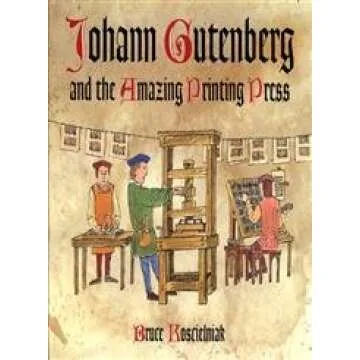
The Gutenberg printing press, invented by Johannes Gutenberg in the mid-15th century, revolutionized the way information was disseminated. Before this invention, books were painstakingly copied by hand, making them incredibly rare and expensive. Gutenberg's innovation allowed for the mass production of texts, democratizing knowledge and fostering literacy across Europe. His most famous printed work, the Gutenberg Bible, was completed around 1455, marking the dawn of the printing revolution that would reshape religious and secular life.
The sale of the Gutenberg Bible in 1978 underscored the religious, historical, and artistic value of this work. Often referred to as the "Holy Grail" of book collecting, the Gutenberg Bible is not just a religious text but a significant cultural artifact that embodies the transition from the Middle Ages to the modern era. Its elegant typography and lavish illustrations continue to impress scholars and enthusiasts alike.
The 1978 Auction That Made History
The auction in London attracted worldwide attention, with collectors and historians eagerly watching the bidding unfold. The incredible final bid of $2.4 million shattered previous records for book sales and reinforced the significance of such historical artifacts in the realm of luxury collecting.
Details About the Auction
The auction was held by Sotheby's, where the Gutenberg Bible was one of only 21 complete versions still in existence. The sheer rarity of this edition, combined with its impeccable provenance and pristine condition, contributed to its staggering final price. Collectors recognized that this was not just a purchase; it was an investment in a piece of history.
The Buyers of the Gutenberg Bible
The successful bidder was a private collector, who understood that possessing a copy of the Gutenberg Bible was akin to owning a piece of the very foundation of modern knowledge and communication. This sale sparked renewed interest in rare books, with many collectors seeking similar artifacts from the dawn of the printing age.
Fun Fact
Gutenberg Bible’s Interesting Record
Interestingly, the Gutenberg Bible is considered one of the first major books printed in the West. Its production initiated the spread of ideas during the Renaissance and Reformation, impacting languages, literature, and education for centuries to come.
Additional Resources
Recommended Reading on Gutenberg’s Bible
For those interested in further exploring the significance of the Gutenberg Bible, we recommend "The Printing Revolution in Early Modern Europe" by Elizabeth L. Eisenstein, which dives into how Gutenberg's invention shaped society. Additionally, "Gutenberg: How One Man Remade the World with Words" by John Man provides an engaging narrative on Gutenberg's life and impact.









 Continue with Google