


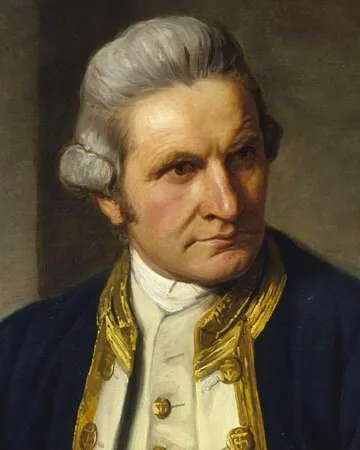
Cook's Chart of the St Lawrence: A Pioneering Effort
In the year 1760, a significant milestone in cartography was achieved when Lieutenant James Cook published "A New Chart of the River St Laurence, from the Island of Anticosti To the Falls of Richelieu." This chart marked Cook's first major mapping endeavor, showcasing meticulous detail and navigational precision that would prove invaluable in the naval engagements between British and French forces during the Seven Years' War.
The importance of this chart extended beyond mere geographical representation. It played a crucial role in the British military strategy, enabling them to navigate the treacherous waters of the St Lawrence River with greater ease. Cook's work provided the British fleet with a tactical advantage that was instrumental in the successful siege of Quebec City, ultimately leading to British dominance in North America and altering the course of history.
James Cook's First Major Mapping Achievement
The publication of Cook's chart was not just a technical accomplishment but also a reflection of Cook's growing reputation as a skilled surveyor and navigator. At a time when maps could be both scarce and inaccurate, Cook's meticulous attention to detail ensured that this chart was a reliable tool for navigators. This effort demonstrated Cook's unwavering commitment to precision and served as a prototype for his later, more famous voyages that would map vast stretches of the Pacific Ocean.
The Role of the St Lawrence River in the War
The St Lawrence River was of immense strategic importance during the colonial conflicts between the British and French. Control over this crucial waterway meant access to vital supply routes and the ability to project naval power. Cook's chart illuminated the river's channels, currents, and hazards, allowing British ships to penetrate deeper into French territory and support their ground troops effectively.
The Legacy of Cook's Chart
James Cook's achievements through this chart laid the groundwork for future explorations and highlighted the significance of **accurate naval mapping**. His efforts not only contributed to immediate military successes but also advanced the field of cartography, influencing future explorers and historians alike.
Impact on British Naval Strategy
The successful implementation of Cook's chart significantly altered British naval strategy in North America. With improved maps and better understanding of local geography, British forces could execute more effective campaigns against the French, culminating in pivotal victories that shifted the balance of power in favor of Great Britain.
Influence on Future Navigators
James Cook's early experience with the St Lawrence River established him as a leading cartographer whose techniques would benefit future explorers. His methodologies in navigation and mapping would influence maritime expeditions for decades to come, ensuring that accurate charts became a critical component of naval operations.
Fun Fact
James Cook’s Charting Skills
Interestingly, James Cook was largely self-taught in the field of navigation and mapping. His dedication and attention to detail in court maritime challenges earned him the opportunity to lead several important voyages that would change the trajectory of exploration.
Additional Resources
Recommended Reading on James Cook
For those interested in diving deeper into the life and legacy of James Cook, consider reading The Voyages of Captain James Cook by John C. Beaglehole or James Cook: The Story Behind the Scandals by J. H. Parry. These works provide a comprehensive overview of Cook's adventures and contributions to navigation and exploration.








 Continue with Google