


Introduction to 'Cry the Beloved Country'
'Cry the Beloved Country' is a poignant novel that was published in the United States in 1948, written by South African author Alan Paton. This remarkable piece of literature serves as both a profound cry against the inequalities of the apartheid system and a reflection of the land and the people of South Africa. Through its compelling narrative, Paton urges society to recognize the devastating effects of racial injustice and the urgent need for compassion and reconciliation.
Alan Paton's Vision
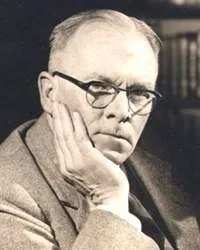
Alan Paton, born in 1903 in the small town of Underberg, was a teacher and a social activist. His experiences in the rural areas of South Africa informed his literary work, particularly in 'Cry the Beloved Country.' Paton's vision for South Africa was one of unity and harmony among different races. His narrative encapsulates the struggles faced by the marginalized and the call for moral awakening amidst rampant social injustice.
The Narrative of Love and Loss
The novel tells the story of Reverend Stephen Kumalo, a black priest who travels from his village to Johannesburg in search of his son, Absalom. During his journey, Kumalo encounters the harsh realities of urban life, racial oppression, and loss. 'Cry the Beloved Country' intricately weaves personal tragedies with the broader socio-political struggles, highlighting how individual stories are entangled with national issues.
Legacy of 'Cry the Beloved Country'
Since its release, 'Cry the Beloved Country' has had a profound influence on readers and has contributed significantly to the anti-apartheid movement. It brought global attention to the systemic racism present in South Africa and galvanized support for change.
An International Call for Justice
The widespread acclaim for the novel helped to garner international support against apartheid. Readers from around the world resonated with Paton’s appeal for justice, leading to increased pressure on the South African government to dismantle its oppressive systems, making it a critical piece in the literary canon of anti-apartheid literature.
The Role of Literature in Social Change
'Cry the Beloved Country' exemplifies how literature can serve as a potent instrument of social change. Through storytelling, Paton not only illuminates the harsh realities of apartheid but also fosters a sense of empathy and understanding among readers. This novel remains a timeless reminder of the power of words to inspire change.
Fun Fact
Did You Know?
Alan Paton initially struggled to find a publisher for 'Cry the Beloved Country', but upon its release, it became an immediate success, selling over 15 million copies worldwide and being translated into multiple languages!
Additional Resources
Further Reading on 'Cry the Beloved Country'
For those interested in delving deeper into this impactful work, consider reading 'Cry the Beloved Country' itself by Alan Paton or exploring 'The World of Alan Paton' which provides insights into his life and works. These texts offer invaluable perspectives on the issues of race, justice, and morality that Paton so eloquently addressed.












 Continue with Google